1. What should I do immediately after my child chips a tooth?
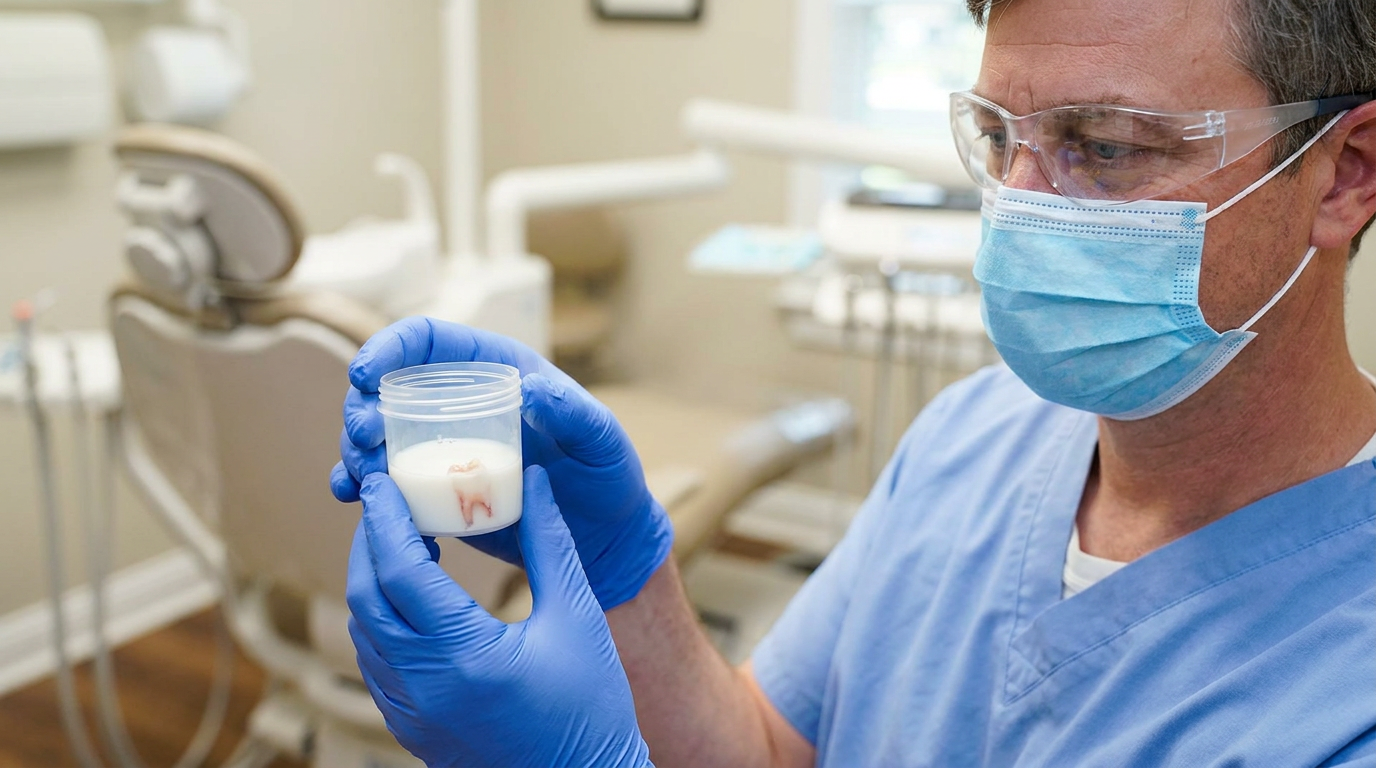
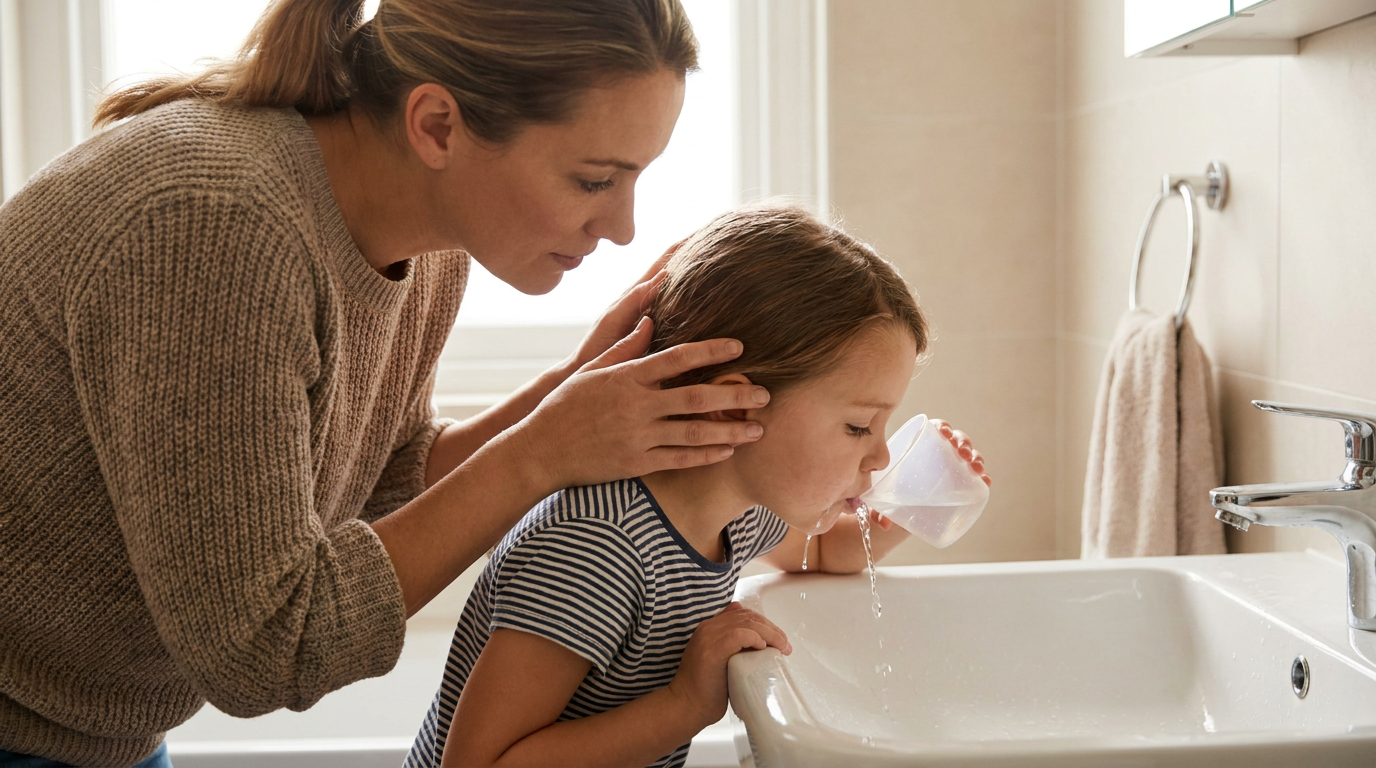
Rinse their mouth with warm water, find any tooth fragments, and apply a cold compress to reduce swelling. Contact Crossroads Pediatric Dentistry promptly.
2. When is a chipped tooth a dental emergency?
It's an emergency if there's significant pain, uncontrolled bleeding, visible tooth pulp, or difficulty speaking/eating.
3. Is a chipped baby tooth treated differently than a permanent tooth?
Yes, baby teeth chips may sometimes be smoothed, while permanent teeth often require restoration to preserve them.
4. Can a small chip on a tooth be left untreated?
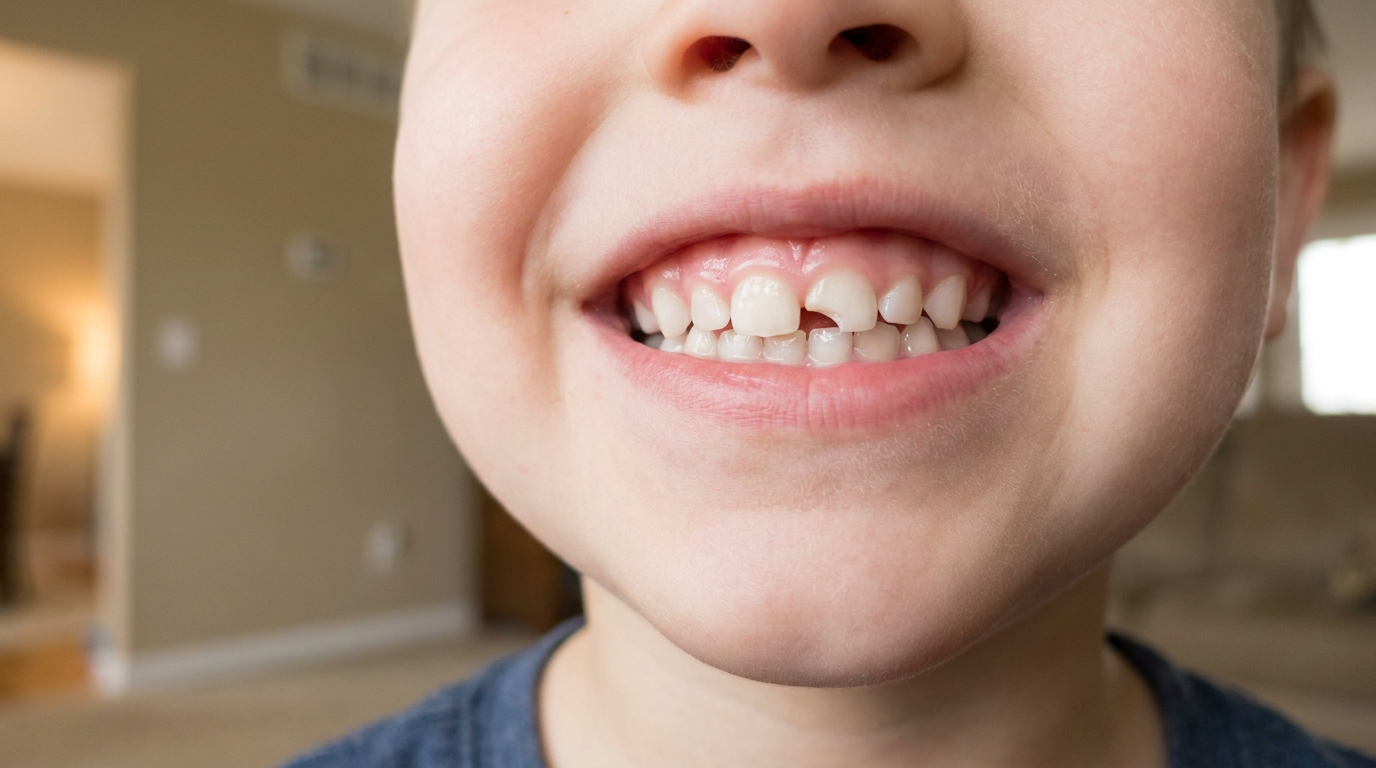
Even small chips should be evaluated by a dentist to prevent potential complications like sensitivity or further damage.
5. What are common treatments for a chipped tooth?
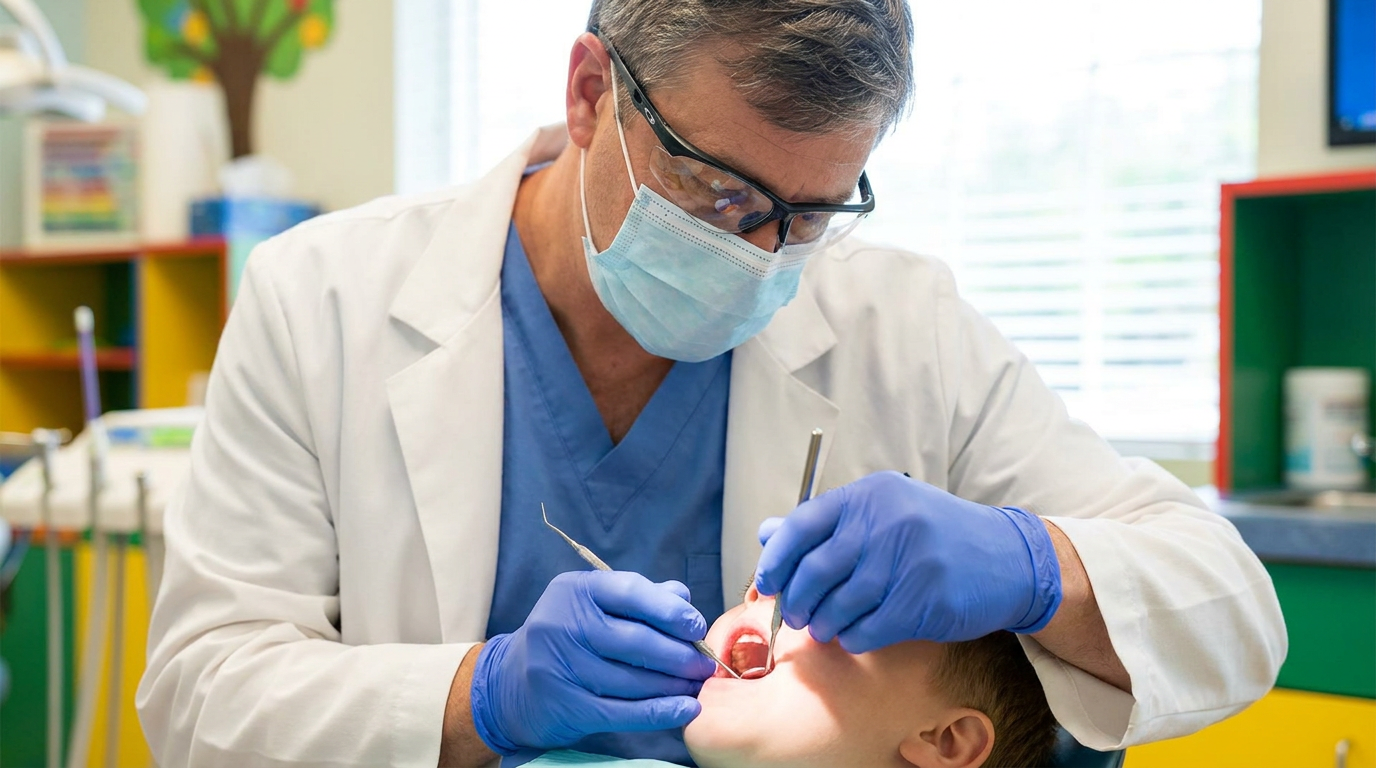
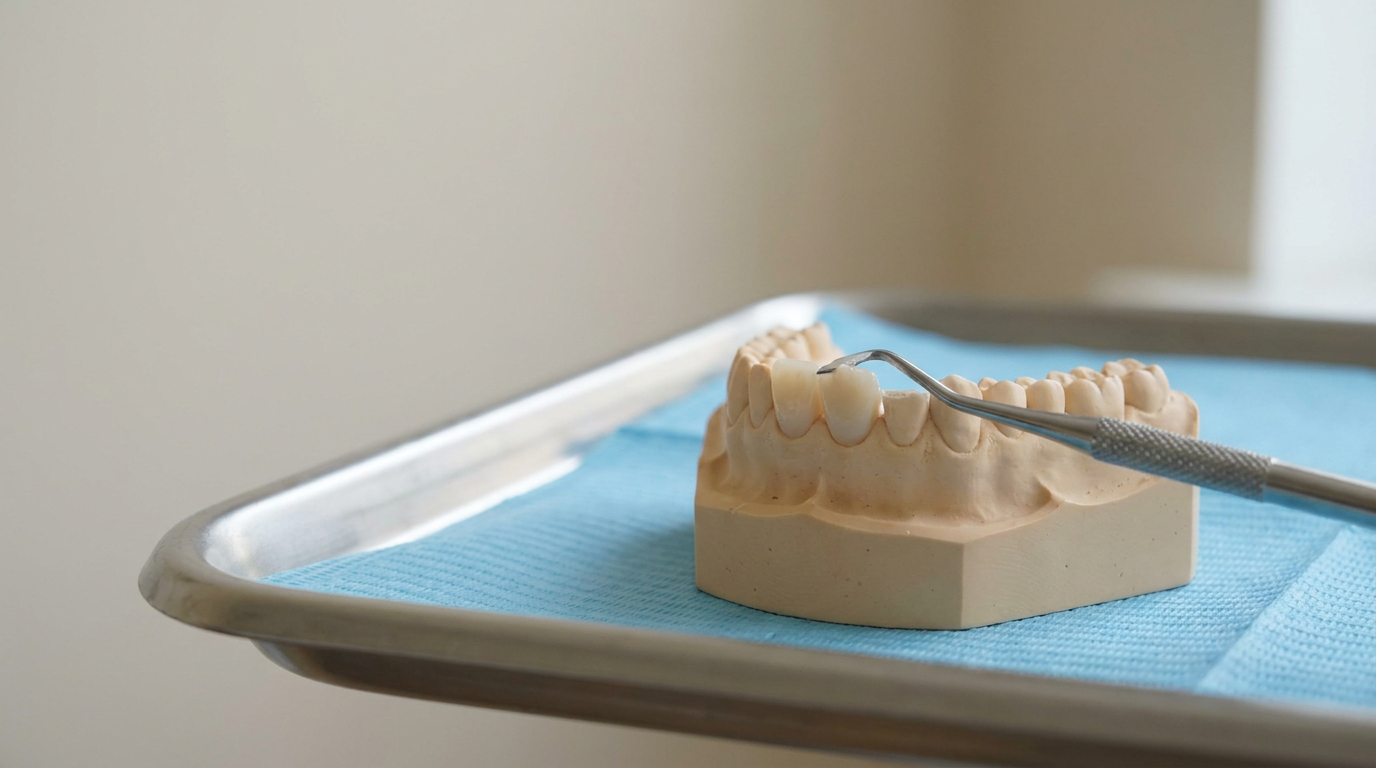
Treatments include smoothing, dental bonding with composite "tooth colored" fillings, or tooth-colored crowns for kids.
6. Can my child eat normally after chipping a tooth?
It's best to stick to soft foods and avoid very hot/cold items until the tooth has been evaluated and treated by Dr. Tyler Driggers.
7. How can I prevent my child from chipping their teeth?
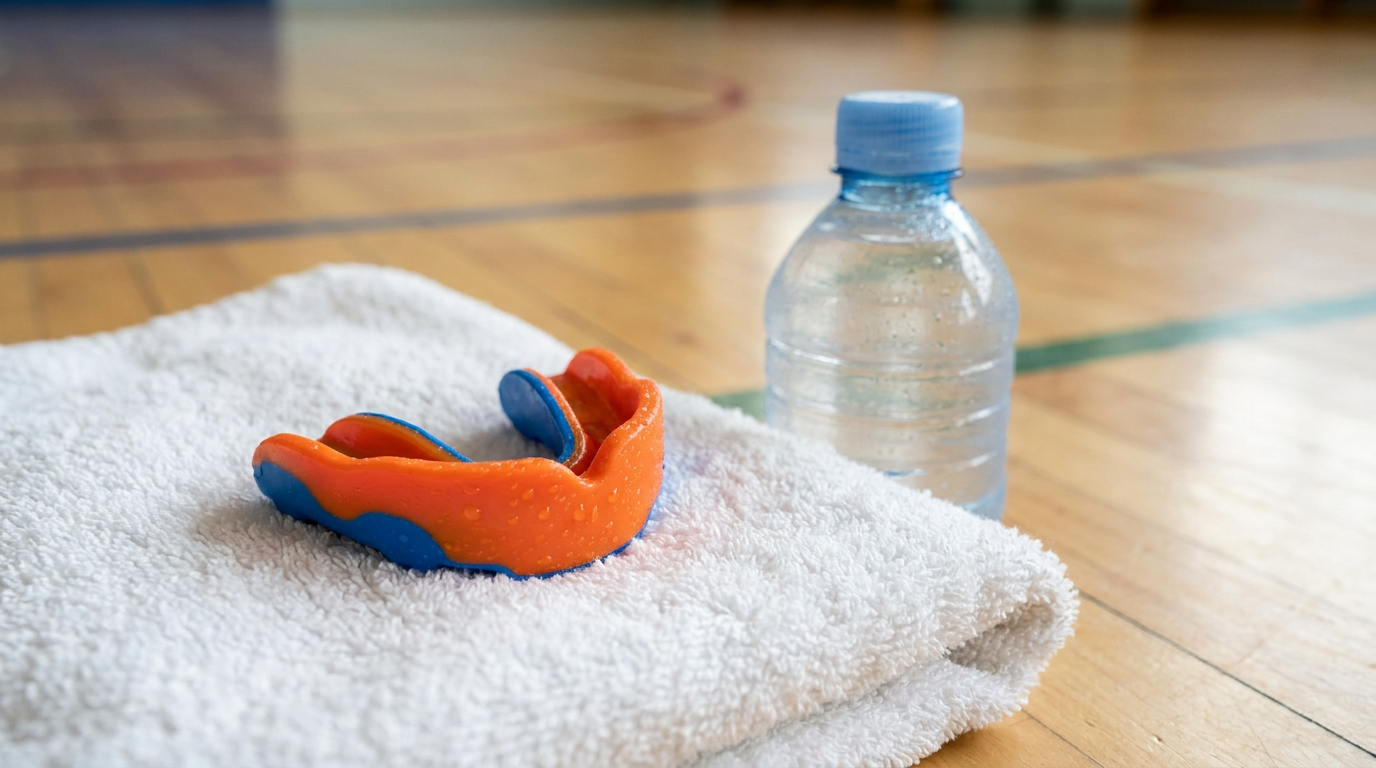
Encourage mouthguard use during sports, discourage chewing hard objects, and maintain good oral hygiene.
8. What if my child chipped their tooth and there's no pain?
Even without pain, a chipped tooth needs a dental check-up to assess the damage and prevent future problems.
9. Will insurance cover treatment for a chipped tooth?
Many dental insurance plans offer coverage for restorative treatments. Our team can help you understand your benefits.

.webp)