Back to Blogs

What Parents Should Know About Baby Teeth Coming In

Understanding the baby teeth eruption timeline and managing teething symptoms can help parents navigate this developmental stage with confidence and care.

October 7, 2026
•
2 min read
Ashley sits on a wooden park bench, holding baby Leo, who is wrapped in a light blanket and appears to be crying or fussing. Ashley wears a pink blouse and looks down at Leo with a concerned expression.
Back to Blogs

What Parents Should Know About Baby Teeth Coming In

Ashley sits on a wooden park bench, holding baby Leo, who is wrapped in a light blanket and appears to be crying or fussing. Ashley wears a pink blouse and looks down at Leo with a concerned expression.

Understanding the baby teeth eruption timeline and managing teething symptoms can help parents navigate this developmental stage with confidence and care.

October 7, 2026
•
2 min read

Welcoming Your Baby's First Teeth

For many parents, the arrival of a baby's first tooth is a momentous milestone, signaling growth and exciting changes. Understanding when and how these tiny teeth emerge can help alleviate common concerns and prepare families for this natural developmental phase.

This journey, often accompanied by varying degrees of fussiness and discomfort, is a universal experience for infants and their caregivers. Crossroads Pediatric Dentistry is dedicated to guiding families through these important early stages of oral development.

Ashley, a new mother in Acworth, recently brought her six-month-old, Leo, for his first visit with Dr. Tyler Driggers. She was brimming with questions about when baby teeth start to come in, as Leo had become increasingly irritable.

Ashley had heard stories from friends about sleepless nights and endless drooling, and she wanted to be prepared. Dr. Driggers reassured Ashley that her concerns were completely normal for parents navigating this new phase. He explained that recognizing the early signs and understanding the typical baby teeth coming in timeline could make the process much smoother for both baby and parent. Ashley appreciated his warm, expert approach to her son's early dental care.
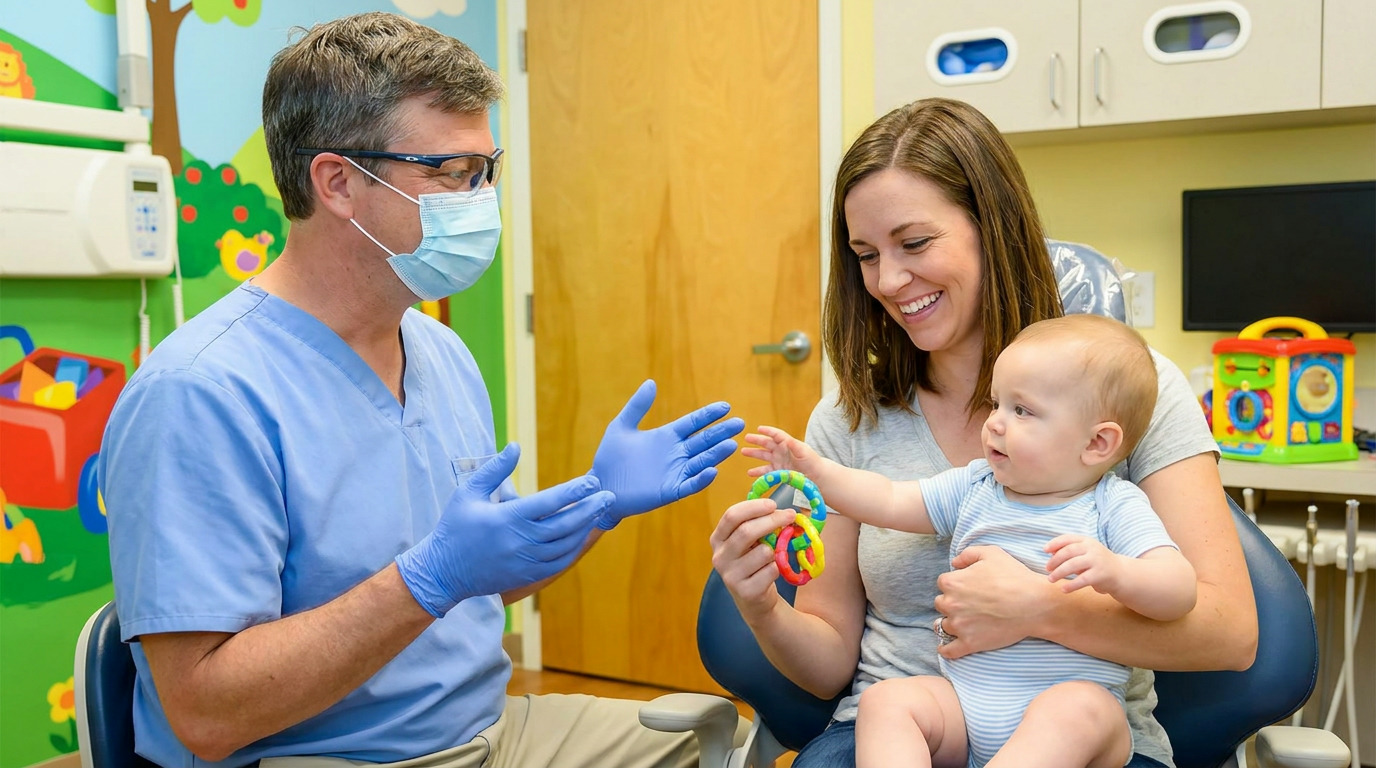
Dr. Tyler Driggers, wearing a mask and scrubs, gestures toward Ashley, who smiles while holding baby Leo and a colorful teether in a pediatric dental office.

When Do Babies Get Teeth?

Most babies begin to sprout their first tooth around six months of age, though this can vary significantly from one child to another. Some infants might show their first pearly white as early as three months, while others may not see any until after their first birthday. This wide range is perfectly normal and rarely a cause for concern.

For Ashley, Leo's increasing fussiness at six months made her wonder if teething was already underway, even without visible teeth. Dr. Driggers explained that the process of teeth moving through the gums starts long before they break the surface. He highlighted that patience is key during this period, as every child follows his own unique developmental schedule.

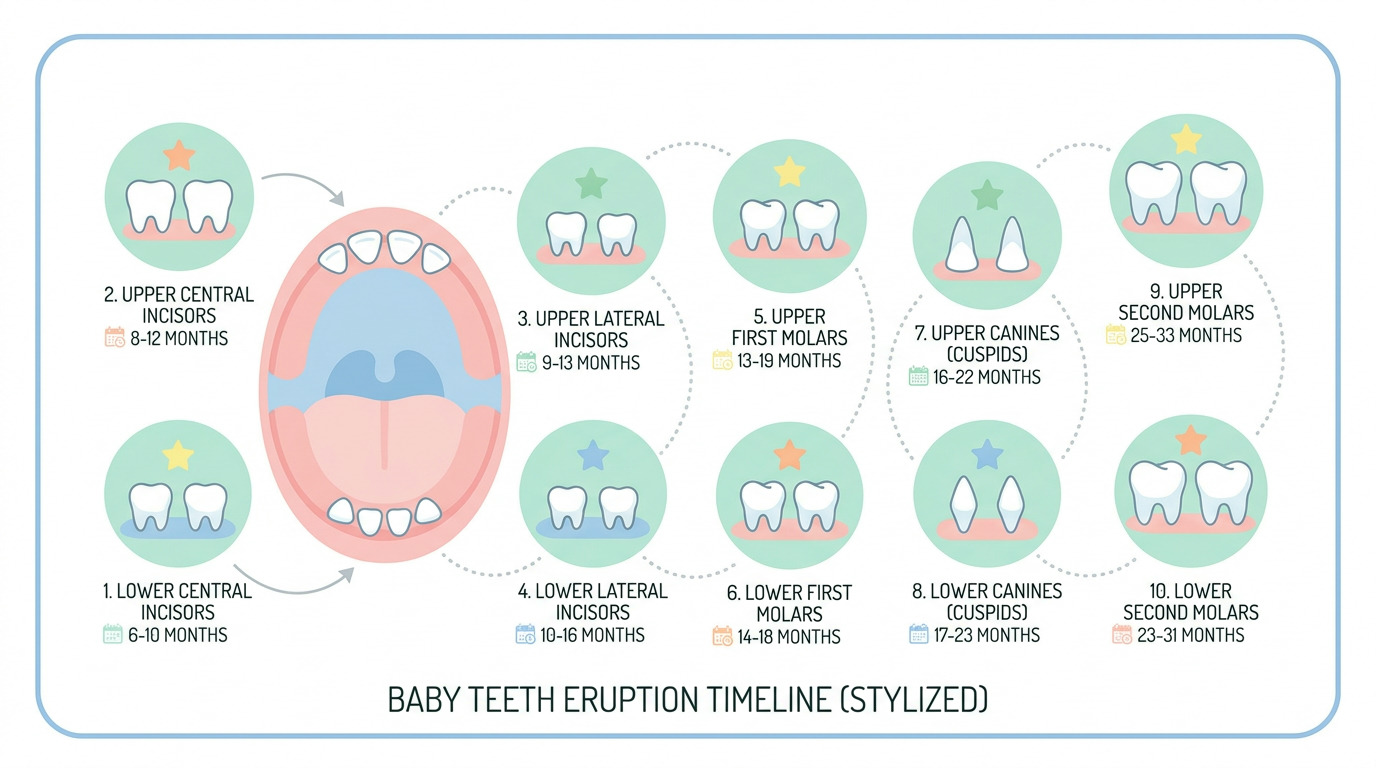
Parents often watch anxiously for that first tiny tooth to appear. Dr. Driggers noted that the central lower incisors are typically the first to erupt, followed by the central upper incisors. He provided Ashley with a general sequence to help her anticipate what to expect in the coming months for Leo.

  • First Incisors: Lower central incisors (around 6-10 months), then upper central incisors (around 8-12 months).
  • Lateral Incisors: Upper lateral incisors (around 9-13 months), followed by lower lateral incisors (around 10-16 months).
  • First Molars: Upper first molars (around 13-19 months), then lower first molars (around 14-18 months).
  • Canines: Upper canines (around 16-22 months), followed by lower canines (around 17-23 months).
  • Second Molars: Lower second molars (around 23-31 months), then upper second molars (around 25-33 months).
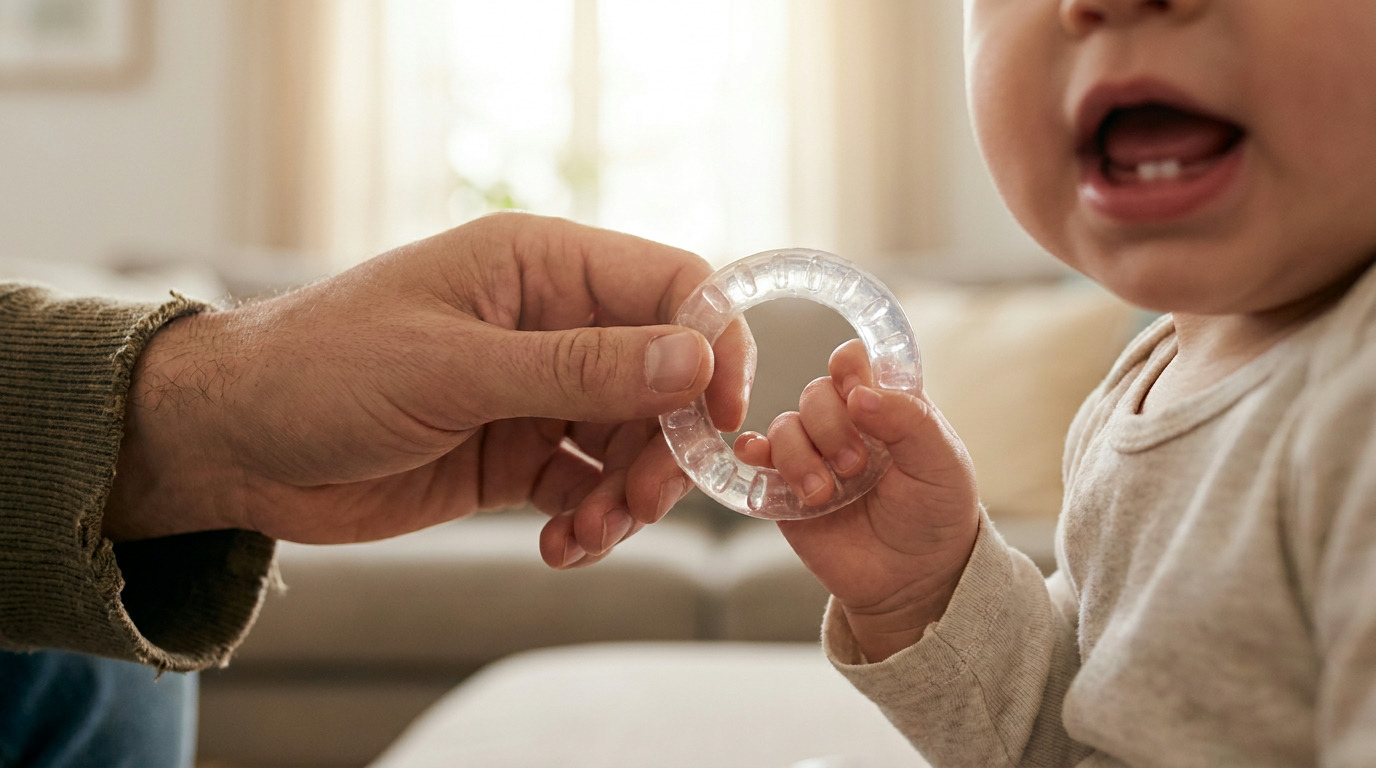
A person in a green sweater holds a clear teething ring, which a baby in a light shirt is reaching for with an open mouth showing two lower teeth.

Baby Teething Signs and Symptoms

Recognizing the common signs and symptoms of teething can help parents identify when their baby's discomfort is due to erupting teeth. Increased drooling is often one of the earliest and most noticeable indicators, sometimes starting several weeks before a tooth appears. This excess saliva can sometimes lead to a mild rash around the mouth.

Ashley had definitely noticed Leo drooling much more, necessitating frequent bib changes. Dr. Driggers also pointed out that babies often become more irritable or cranky during teething, crying more frequently and seeming generally unsettled. This change in disposition is a clear sign that something is bothering them, even if it's not immediately obvious.

Many infants will want to chew on anything they can get their hands on to relieve pressure on their gums. Dr. Driggers advised Ashley to ensure that any objects Leo chews on are clean and safe for infants. He provided a list of other common symptoms that parents like Ashley should be aware of:

  • Swollen Gums: The gums around the emerging tooth may appear red, puffy, or slightly swollen.
  • Increased Chewing: Babies instinctively want to bite or chew on hard objects to soothe their gums.
  • Irritability and Fussiness: General discomfort can make babies more restless, easily upset, and prone to crying.
  • Sleep Disturbances: Teething pain can interfere with a baby's sleep patterns, causing them to wake more often.
  • Reduced Appetite: Some babies may temporarily refuse food or bottles due to gum soreness.
  • Facial Rash: Excessive drooling can sometimes irritate the skin around the mouth, chin, and neck.
A baby with food on its face and a striped bib sits in a wooden high chair, looking away from the camera in a kitchen with a window.

Soothing Teething Discomfort

When a baby is uncomfortable from teething, parents naturally seek effective ways to provide relief. One of the simplest and most common methods is to offer a cold teething toy or a chilled washcloth for the baby to chew on. The coolness helps to numb the gums and reduce inflammation, providing temporary comfort.

Ashley mentioned trying a chilled teether with Leo, but he didn't seem to take to it consistently. Dr. Driggers suggested gently massaging Leo's gums with a clean finger, explaining that the slight pressure can sometimes be very soothing. He emphasized the importance of ensuring hands are thoroughly clean before doing this. This direct contact often provides the most immediate relief.

For persistent discomfort, especially during sleep, Dr. Driggers explained that appropriate over-the-counter pain relievers, such as infant acetaminophen, might be considered. He always advises parents like Ashley to consult with their pediatrician regarding the correct dosage and frequency for safe medication use. It is vital to avoid teething gels containing benzocaine, which can be harmful to infants.

A baby in a striped shirt smiles with closed eyes as an adult's finger gently touches their lower gum, with a blurry couch in the background.

Schedule Your Child's First Dental Visit

Is your little one beginning to show signs of teething or nearing their first birthday? Ensure a healthy start for their smile by scheduling their first dental appointment with Dr. Tyler Driggers at Crossroads Pediatric Dentistry. Our warm and friendly team is here to guide you through every stage of your child's oral development. Contact us today to set up a visit and discuss any concerns you may have.

When to See the Pediatric Dentist

While teething is a normal developmental process, there are specific instances when a visit to the pediatric dentist is warranted. The American Academy of Pediatric Dentistry recommends that a child's first dental visit occur by their first birthday, or within six months of the first tooth erupting. This early visit allows Dr. Tyler Driggers to assess the baby's oral development.

Ashley learned that even before all of Leo's baby teeth had arrived, there was value in establishing a dental home. Dr. Driggers uses these initial appointments to check for any potential issues with tooth eruption or gum health. He also provides parents with crucial guidance on proper oral hygiene for kids.

Beyond the routine first visit, certain symptoms should prompt parents to seek professional dental advice sooner. These can indicate something more serious than typical teething discomfort. Dr. Driggers encourages parents to trust their instincts and reach out if they are concerned about any unusual or severe symptoms.

Urgent Concerns

  • High Fever: While a slight elevation in temperature is possible with teething, a fever over 101°F (38.3°C) is generally not linked to teething and requires medical attention.
  • Severe Diarrhea or Vomiting: Significant gastrointestinal issues are not typical teething symptoms and should be discussed with a pediatrician.
  • Refusal to Eat or Drink: Prolonged refusal to feed or signs of dehydration are serious and warrant immediate professional evaluation.
  • Unusual Rashes: Rashes extending beyond the mouth area, especially if accompanied by other symptoms, need assessment.
  • Prolonged Bleeding or Swelling: While minor gum bleeding can occur, excessive bleeding or severe, persistent swelling requires a dental check.
Stylized blue outline of a baby's head in profile with a yellow glow around the jaw, and a magnifying glass highlighting a single tooth.

Caring for Emerging Baby Teeth

Once those first tiny teeth peek through, establishing good oral hygiene practices becomes immediately important. Even though baby teeth will eventually fall out, they play a crucial role in a child's development, holding space for permanent teeth and aiding in speech and chewing. Early care prevents problems.

Ashley was surprised to learn that cleaning Leo's gums and new teeth should begin right away. Dr. Driggers demonstrated how to gently wipe Leo's gums with a soft, damp cloth or a silicone finger brush even before teeth erupted. Once teeth appear, he recommended using a soft-bristled infant toothbrush with a tiny smear of fluoride toothpaste, no larger than a grain of rice. This small amount of fluoride is safe and effective.

Dr. Driggers emphasized that consistent daily cleaning helps remove bacteria and food particles that can lead to early childhood cavities. He reiterated the importance of regular dental check-ups to monitor the health and alignment of these first teeth. These check-ups also provide opportunities for parents to ask questions about diet and habits affecting oral health.

A woman in a brown sweater uses a finger toothbrush to clean a baby's mouth, who sits in a gray seat in a bright bathroom.

Baby Teething and Sleep Issues

Teething can often disrupt a baby's sleep patterns, leading to more frequent night wakings and difficulty settling down for naps. The discomfort of erupting teeth can make it challenging for infants to find a comfortable position and stay asleep. Understanding this connection helps parents manage expectations during this temporary phase.

Ashley had noticed Leo was waking more often at night, often crying out. Dr. Driggers explained that the pain can be more pronounced when lying down due to increased blood flow to the gums. He suggested trying to offer some relief just before bedtime. A gentle gum massage or a chilled teether can sometimes help.

Establishing a consistent bedtime routine can also be beneficial during teething, even if the baby is more restless than usual. Familiarity and comfort can provide some reassurance. Dr. Driggers offered Ashley practical tips for navigating these challenging nights with Leo.

Nighttime Comfort Tips

  • Gentle Massage: Gently rub your baby's gums with a clean finger or a cold, wet washcloth before bed.
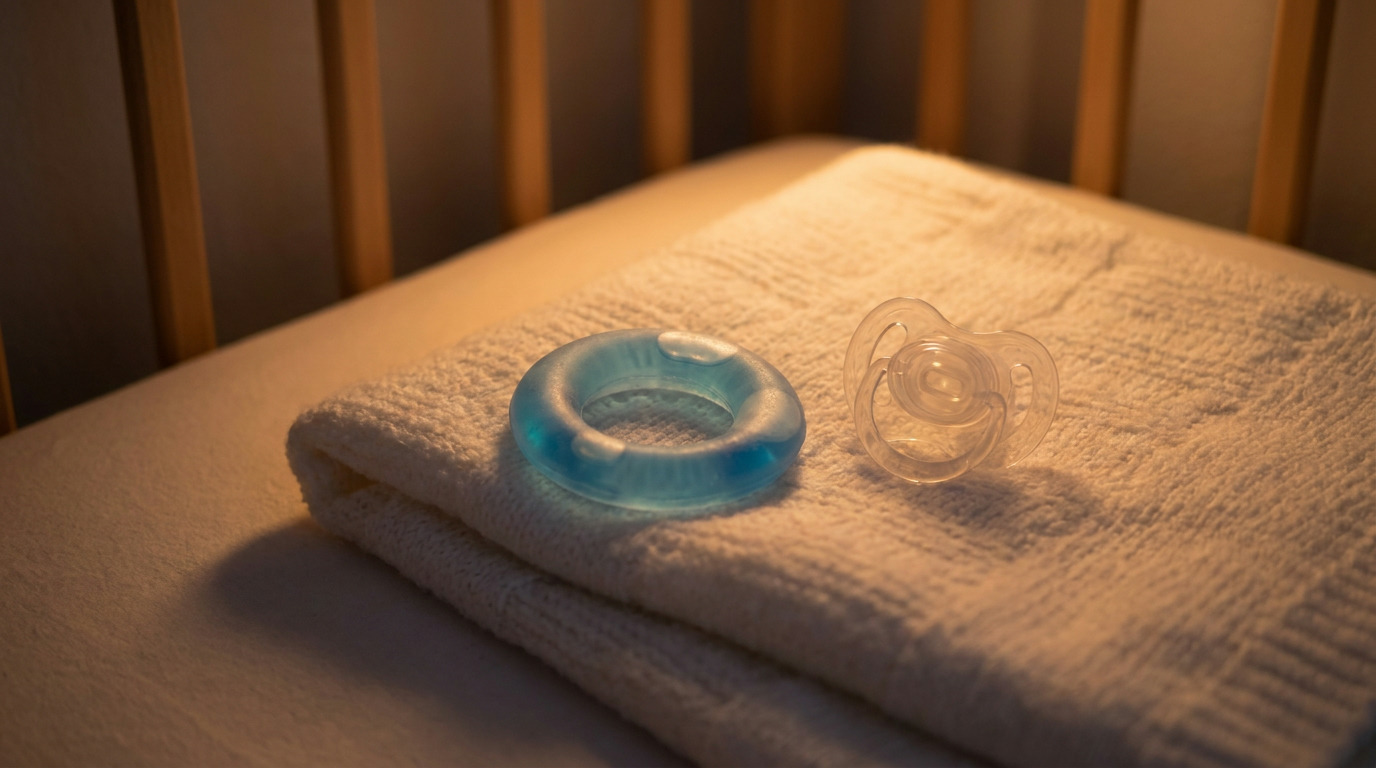
  • Chilled Relief: Offer a chilled (not frozen) teething ring or pacifier for chewing right before sleep.
  • Pain Reliever (if approved): If your pediatrician has approved, a dose of infant pain reliever before bed might help ease severe discomfort.
  • Comforting Routine: Maintain your regular bedtime routine to provide familiarity and comfort, even if sleep is interrupted.
  • Warm Bath: A soothing warm bath can help relax a fussy baby before bedtime, promoting better sleep.
A stylized infographic shows a baby's open mouth with developing teeth, surrounded by ten circular diagrams illustrating the eruption order and age ranges for each type of baby tooth.

A Healthy Start for Little Smiles

Navigating the journey of baby teeth coming in is a significant chapter in a family's life, filled with both challenges and heartwarming milestones. From the first signs of drooling to the triumphant eruption of that first tiny tooth, each step is a testament to a child's incredible growth.

The role of a trusted pediatric dentist like Dr. Tyler Driggers is to ensure that parents feel supported and informed throughout this process. His expertise helps demystify what can often feel like an overwhelming time for new parents.

Ashley left her appointment feeling much more confident about managing Leo's teething phase. She understood that while some fussiness is inevitable, there are many effective ways to soothe his discomfort and protect his emerging teeth. The knowledge Dr. Driggers shared about when to expect each tooth and the importance of early preventative services gave her a clear roadmap. She now knew that her local pediatric dentist in Acworth was a valuable partner in ensuring Leo's oral health.

The foundation laid during these early years is crucial for a lifetime of healthy smiles. Dr. Driggers always emphasizes that proactive care and addressing concerns promptly can make all the difference. Ashley looked forward to Leo's next check-up, knowing she had a dedicated team at Crossroads Pediatric Dentistry ready to support them every step of the way.

A blue teething ring and clear pacifier rest on a folded white blanket in a crib, illuminated by a warm, dim light.

Frequently Asked Questions

1. What is the normal baby teething timeline?
Most babies begin teething around six months, with the two bottom front teeth appearing first, followed by the top front teeth. The full set of 20 primary teeth typically emerges by the age of three years. However, this is a general guideline, and individual timelines can vary significantly.

2. What are the most common signs a baby is teething?
Common signs of teething include increased drooling, fussiness, irritability, swollen or red gums, and a strong urge to chew on objects. Some babies may also experience sleep disturbances or a temporary decrease in appetite. These symptoms typically precede the eruption of each tooth.

3. Should I worry if my baby is teething but doesn't have a fever?
It is common for teething babies to have a slightly elevated temperature, but a true fever (over 101°F or 38.3°C) is not directly caused by teething. If your baby has a fever, it's best to consult your pediatrician to rule out other potential illnesses.

4. When should a child have their first dental appointment?
It is recommended that a child has their first dental visit by their first birthday or within six months of their first tooth erupting. This early visit allows Dr. Tyler Driggers to check oral development and provide parents with essential guidance on proper oral hygiene practices.

5. What can I do to soothe my baby's teething pain?
To soothe teething pain, you can offer a chilled teething ring or washcloth, gently massage your baby's gums with a clean finger, or use infant acetaminophen if approved by your pediatrician. Dr. Tyler Driggers recommends avoiding teething gels containing benzocaine.

6. Are baby teeth important even if they fall out?
Yes, baby teeth are incredibly important. They help children chew food properly, speak clearly, and maintain space in the jaws for the permanent teeth to erupt correctly. Taking good care of baby teeth helps prevent early decay and promotes overall oral health.

Related Blog Posts

Stay Informed with Expert Insights & Tips About Dental Care

9.8.2026

How to Handle a Chipped Tooth at Every Age

Prompt care for a child's chipped tooth prevents pain and complications, with solutions from smoothing to tooth-colored crowns ensuring a healthy, confident smile.

READ MORE
8.5.2026

What to Do When Your Child Chips a Tooth

Knowing how to respond quickly to a chipped tooth in a child, from immediate first aid to understanding treatment options, can ensure their long-term oral health.

READ MORE
7.9.2026

When Your Child's Thumb Sucking Needs Dental Attention

Untreated thumb sucking past early childhood can significantly impact a child's oral development, leading to misaligned teeth, jaw discrepancies, and speech impediments.

READ MORE

Book an Appointment

Have questions about your visit, treatment options, or membership? Reach out to our team and we'll be happy to assist you within 24 hours.

Thank you! Your submission has been received!
Oops! Something went wrong while submitting the form.