Back to Blogs

Does Aetna Cover Pediatric Dental Visits?

Aetna pediatric dental coverage safeguards your child's smile with routine cleanings, sealants, and exam benefits.

November 2, 2026
•
2 min read
A mother hands an insurance card to a receptionist while her daughter holds a tooth model and a dentist waves from a doorway.
Back to Blogs

Does Aetna Cover Pediatric Dental Visits?

A mother hands an insurance card to a receptionist while her daughter holds a tooth model and a dentist waves from a doorway.

Aetna pediatric dental coverage safeguards your child's smile with routine cleanings, sealants, and exam benefits.

November 2, 2026
•
2 min read

Does Aetna Cover Pediatric Dental Visits?

Yes, most Aetna dental plans cover routine pediatric dental visits, including regular cleanings, comprehensive oral exams, and diagnostic imaging. Many plans also provide benefits for preventive care like sealants and essential restorative treatments. However, specific coverage percentages, deductibles, copayments, and annual maximums vary depending on your family’s employer-sponsored or individual benefit policy.

Many parents research their dental benefits before scheduling their child's initial checkup. Understanding how your plan operates removes financial surprises and helps ensure your child receives timely, comprehensive care. At Crossroads Pediatric Dentistry, our team helps families in Acworth and Dallas navigate insurance details to maximize their benefits.

Navigating insurance paperwork can feel overwhelming, but dental policies generally classify pediatric procedures into distinct categories. Reviewing your summary of benefits reveals whether your visit falls under preventive services, basic restorative treatments, or major dental procedures. Under the guidance of Dr. Tyler Driggers, our clinical team provides clear documentation so that pediatric dental insurance coverage is applied accurately to your account.

A mother hands a card to a receptionist sitting at a computer in a sunlit pediatric dental office while her young son stands beside the counter.

What Preventive Pediatric Services Does Aetna Cover?

Aetna dental plans typically cover preventive pediatric services at the highest benefit level, often covering routine checkups at or near one hundred percent when visiting an in-network dental provider. Covered preventive care generally includes biannual professional cleanings, routine visual examinations, diagnostic dental imaging, and protective dental sealants for eligible back molars.

Preventive care forms the cornerstone of childhood oral health, protecting developing teeth from decay and early damage. Most policies encourage these proactive appointments by reducing or eliminating out-of-pocket costs for routine care. Maintaining a consistent schedule of preventive dental visits allows Dr. Tyler Driggers to monitor jaw development and detect emerging issues before they require complex intervention.

Common Preventive Benefits

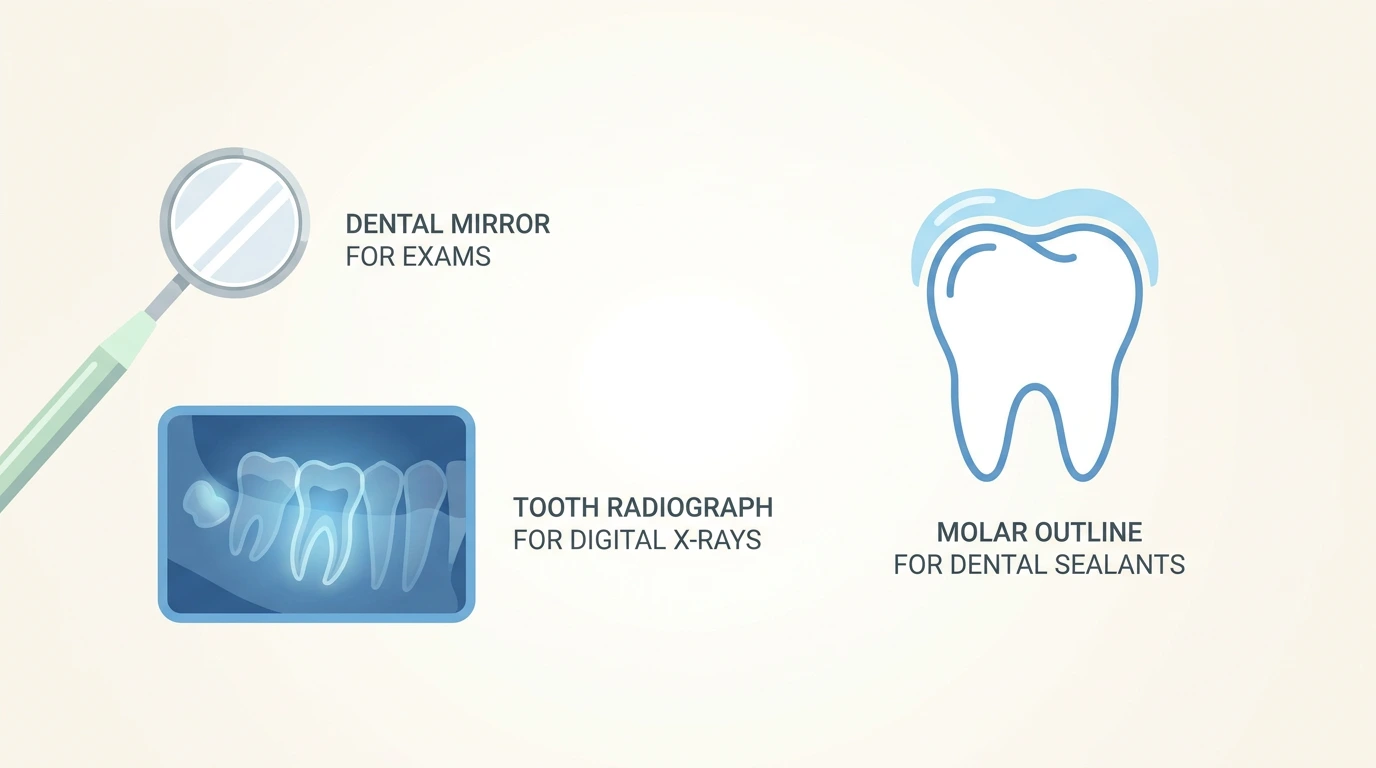
  • Pediatric Cleanings: Most plans cover routine cleanings twice per benefit year to remove plaque buildup and protect gum tissues from inflammation.
  • Comprehensive Examinations: Regular visual exams allow the dentist to track dental development, screen for cavities, and assess bite alignment.
  • Diagnostic X-Rays: Plans generally cover X-Rays at specific intervals to check for hidden decay between teeth and examine bone structures beneath the gums.
  • Dental Sealants: Thin protective coatings placed on the chewing surfaces of permanent molars are often covered for children up to a specific age limit.
Illustrations of a dental mirror, a digital tooth radiograph, and a molar outline with dental sealant are displayed alongside text labels.

Does Aetna Pay for Restorative Pediatric Treatments?

Yes, Aetna typically covers restorative treatments for children, but these procedures are usually classified as basic or major dental services rather than preventive care. Basic restorations like fillings often receive substantial coverage, while major treatments like pediatric crowns may require a higher copayment or coinsurance after you meet your annual deductible.

When childhood cavities or dental trauma occur, prompt restorative care prevents infection from spreading deeper into the tooth or affecting underlying permanent teeth. Dr. Tyler Driggers uses gentle, modern techniques to restore oral function and protect natural tooth structure. Before proceeding with restorative appointments, reviewing your plan’s deductibles and coinsurance helps you anticipate any out-of-pocket balance.

Restorative Treatments Covered by Dental Plans

  • Tooth-Colored Fillings: Plans generally assist with composite fillings to repair primary or permanent teeth damaged by tooth decay.
  • Pediatric Crowns: When a tooth has extensive decay or structural damage, restorative pediatric crowns help preserve the tooth until it sheds naturally.
  • Space Maintainers: If a baby tooth is lost prematurely, space maintainers may be covered to keep adjacent teeth from shifting out of place.
  • Therapeutic Extractions: When a primary tooth cannot be saved or threatens surrounding dental health, necessary extractions are typically partially covered under basic surgical benefits.
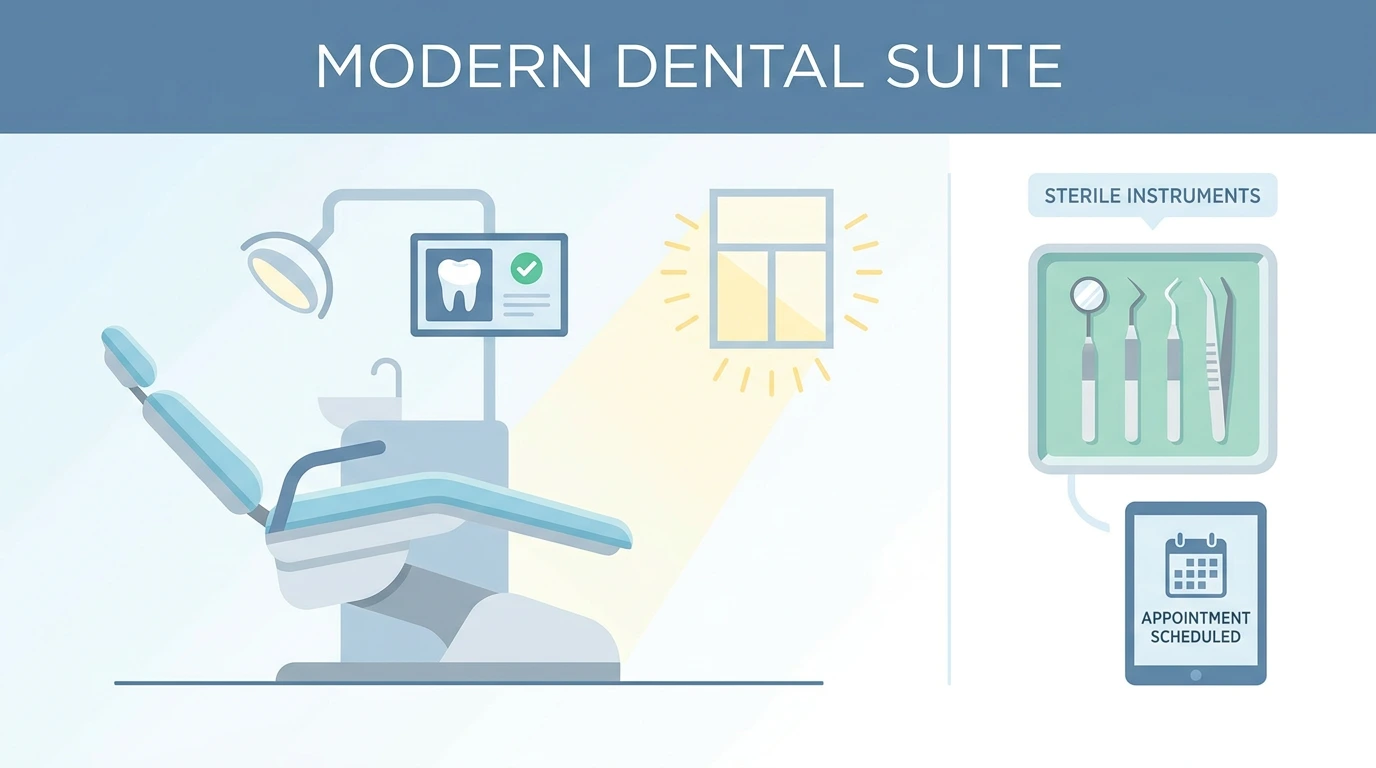
An illustrated modern dental suite displays a blue patient chair, overhead light, and digital monitor beside a tray of sterile instruments and a tablet.

Does Aetna Cover Pediatric Sedation During Procedures?

Aetna coverage for pediatric sedation depends heavily on individual plan provisions, medical necessity, and the specific sedation option utilized. Mild calming methods may have limited or optional plan coverage, whereas deeper sedation techniques typically require clear clinical documentation or pre-authorization showing that standard treatment approaches are not viable.

Many children experience dental anxiety or require extensive dental repairs that make sitting still difficult. In such instances, pediatric sedation helps the child remain relaxed, safe, and comfortable throughout treatment. Dr. Tyler Driggers evaluates each child's temperament, medical history, and procedural needs before recommending any supportive comfort measures.

Because coverage guidelines for sedation vary significantly between employer groups and individual plans, verifying sedation benefits in advance is essential. If a policy does not cover comfort options, families can discuss flexible arrangement plans directly with the front office team. Clarifying your sedation benefit limits before treatment helps you make informed decisions for your child’s emotional and physical comfort during their visit.

A mint green callout box with a small smiling tooth icon features the text Pediatric Sedation & Comfort Care on a white background.

Schedule Your Child's Dental Visit Today

Contact our team to schedule an appointment with Dr. Tyler Driggers and have your dental benefits verified before your visit. We welcome families from Acworth, Dallas, and surrounding communities to experience compassionate, high-quality pediatric dental care tailored to your child's needs.

How to Find an In-Network Aetna Pediatric Dentist

To find an in-network provider, log in to your Aetna member portal, select the dental directory, and filter providers by specialty and geographic location. Verifying network status directly with the dental practice before your appointment helps confirm your chosen provider accepts your specific network tier and helps minimize your out-of-pocket expenses.

Selecting an experienced pediatric dental team helps ensure your child receives age-appropriate care tailored to growing smiles. Searching for an Aetna pediatric dentist near me provides a local directory, but insurance carrier directories are not always updated in real time. Calling the dental practice directly confirms whether they actively participate with your exact plan network.

Steps to Confirm In-Network Status

  • Review Your Plan Card: Identify your exact plan name, network type, and group number from your physical or digital membership card.
  • Search the Member Directory: Use the carrier directory to browse local pediatric dentists within your community or neighboring towns.
  • Call the Dental Office: Contact the administrative team to confirm they accept your specific plan tier and can process your claims.
  • Request Benefit Verification: Ask the dental office to verify your remaining annual benefits, active deductibles, and eligibility dates before your visit.
A mother sits in a bright waiting room and looks at her smartphone while a toddler plays with wooden blocks on a colorful rug nearby.

What Are Common Out-of-Pocket Costs With Aetna?

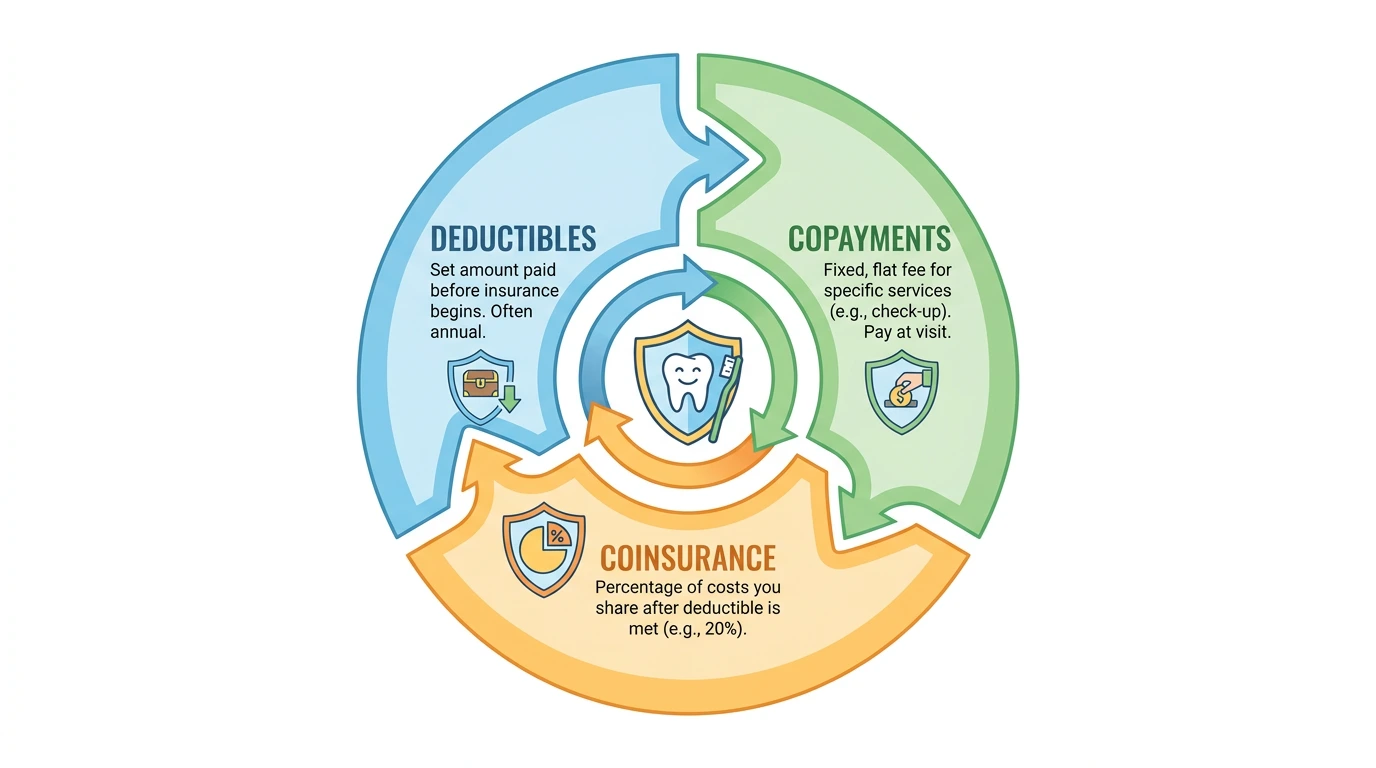
Common out-of-pocket costs under Aetna dental plans include annual deductibles, copayments for office visits, and coinsurance percentages for restorative procedures. Elective cosmetic services, such as teeth whitening, are generally not covered by insurance policies and require full payment directly from the patient or guardian at the time of service.

Understanding the difference between preventive and elective procedures helps parents plan their child’s dental care budget accurately. Preventive treatments like examinations, cleanings, and fluoride applications typically carry minimal or zero out-of-pocket expenses when staying within your network. Restorative services, however, usually require meeting an annual deductible before the insurance plan begins paying its specified percentage.

Specialized treatments such as airway-focused dentistry or frenectomy procedures may fall under medical or dental benefit coordination depending on the diagnosis. Dr. Tyler Driggers provides detailed clinical notes and comprehensive treatment estimates to help you understand anticipated costs before any major procedure begins. Reviewing an itemized treatment estimate gives parents full transparency and peace of mind before scheduling care.

A circular infographic with blue, green, and orange curved arrows defines deductibles, copayments, and coinsurance around a central tooth shield icon.

What Questions Should You Ask Aetna About Coverage?

Before visiting the dentist, ask Aetna customer support about your plan's active coverage dates, deductible status, preventive service frequency limits, and pre-authorization requirements for restorative care. Understanding waiting periods, age limits for dental sealants, and coverage tiers helps you plan your child's dental appointments without unexpected financial surprises.

Insurance benefit booklets contain complex terminology that can make policy details challenging to interpret. Speaking directly with a customer service representative helps clarify the exact boundaries of your policy. Gathering this information ahead of time makes the check-in process smooth for both your family and the dental administration team, ensuring your insurance policy benefits are utilized efficiently.

Questions to Ask Your Insurance Representative

  • Frequency Limitations: Ask how many cleanings and exams are permitted per calendar or plan year, and whether a minimum interval is required between visits.
  • Age Limits for Preventative Care: Inquire about specific age cutoffs for preventative treatments like dental sealants and topical applications.
  • Waiting Periods: Confirm whether your plan imposes waiting periods before benefits apply to basic or major restorative services.
  • Restorative Coinsurance Rates: Ask what percentage the plan pays for composite fillings, space maintainers, or pediatric crowns once your deductible is met.
  • Pre-Authorization Rules: Determine whether specific procedures, such as extractions or sedation care, require prior authorization before scheduling treatment.
A pastel callout box displays the text Verify Your Coverage Limits beside a checklist icon and a smiling tooth on a shield emblem.

Maximizing Your Pediatric Dental Benefits in Georgia

Understanding how your dental benefits work helps your child receive prompt, high-quality oral healthcare without unnecessary financial stress. Routine dental visits help prevent minor enamel concerns from progressing into painful infections or complicated dental emergencies. By staying informed about your plan's preventative allowances, you can schedule essential visits early and make full use of your annual coverage limits before they reset.

At Crossroads Pediatric Dentistry, our friendly team takes pride in guiding families through every phase of childhood dental health. Serving families throughout Acworth, Dallas, and nearby communities, Dr. Tyler Driggers emphasizes conservative, relationship-centered pediatric dentistry in a warm, welcoming environment. Whether your child needs a routine cleaning, cavity prevention, or gentle restorative treatment, his goal is to establish positive dental habits that support long-term oral health.

Our front desk staff is always happy to review your insurance plan details, submit claims on your behalf, and provide transparent estimates for recommended treatments. Scheduling consistent appointments allows our team to monitor oral growth, safeguard developing teeth, and support your child's overall wellbeing every step of the way.

Dr. Tyler gestures while speaking with a mother and her young daughter seated in a teal dental chair in a pediatric treatment room.

Frequently Asked Questions

1. Does Aetna cover routine pediatric dental cleanings?
Yes, most Aetna plans cover routine pediatric cleanings twice per year at or near full coverage when visiting an in-network pediatric dental office.

2. Are dental sealants covered by Aetna for children?
Many Aetna plans cover dental sealants on permanent molars for children up to a specified age limit, helping protect back teeth from cavities.

3. Will Aetna pay for my child's tooth-colored fillings?
Aetna typically covers composite fillings under basic restorative benefits, usually paying a set percentage of the cost after your annual deductible is satisfied.

4. Does Aetna cover space maintainers for missing baby teeth?
Space maintainers are frequently covered under basic or preventive pediatric benefits when a primary tooth is lost prematurely to maintain proper tooth alignment.

5. Is pediatric sedation covered under Aetna dental plans?
Sedation coverage varies by plan, with mild options sometimes having limited coverage and deeper sedation requiring medical necessity documentation or formal prior authorization.

6. What is the difference between basic and major pediatric dental services?
Basic services generally include minor treatments like fillings and simple extractions, while major services involve complex restorations like crowns and extensive surgical procedures.

7. How do I verify if a pediatric dentist accepts my Aetna plan?
You can verify network participation by checking the carrier’s online provider directory or calling the dental practice directly with your member identification details.

8. Does Aetna cover orthodontic evaluations or airway-focused dental care?
Basic diagnostic evaluations are often covered, but coverage for specialized airway assessments or orthodontic interventions depends on your plan's specific policy riders and benefits.

9. Are dental X-rays for children covered by insurance?
Yes, routine diagnostic X-rays are typically covered under preventive services at specified intervals determined by your child’s dental insurance policy guidelines.

10. Can I use an out-of-network dentist with an Aetna dental plan?
Many PPO plans allow you to see out-of-network dentists, though visiting an in-network provider generally reduces your total out-of-pocket expenses and copayments.

Related Blog Posts

Stay Informed with Expert Insights & Tips About Dental Care

10.7.2026

What Parents Should Know About Baby Teeth Coming In

Understanding the baby teeth eruption timeline and managing teething symptoms can help parents navigate this developmental stage with confidence and care.

READ MORE
9.8.2026

How to Handle a Chipped Tooth at Every Age

Prompt care for a child's chipped tooth prevents pain and complications, with solutions from smoothing to tooth-colored crowns ensuring a healthy, confident smile.

READ MORE
8.5.2026

What to Do When Your Child Chips a Tooth

Knowing how to respond quickly to a chipped tooth in a child, from immediate first aid to understanding treatment options, can ensure their long-term oral health.

READ MORE

Book an Appointment

Have questions about your child’s visit or treatment options? Reach out and we’ll be happy to help within 24 hours.

Thank you! Your submission has been received!
Oops! Something went wrong while submitting the form.