Back to Blogs

When Your Child's Thumb Sucking Needs Dental Attention

Untreated thumb sucking past early childhood can significantly impact a child's oral development, leading to misaligned teeth, jaw discrepancies, and speech impediments.

July 9, 2026
2 min read
Nathan sits at his office desk, touching his jaw while looking thoughtfully at a framed photo of his child.
Back to Blogs

When Your Child's Thumb Sucking Needs Dental Attention

Nathan sits at his office desk, touching his jaw while looking thoughtfully at a framed photo of his child.

Untreated thumb sucking past early childhood can significantly impact a child's oral development, leading to misaligned teeth, jaw discrepancies, and speech impediments.

July 9, 2026
2 min read

Recognizing Concerning Thumb Sucking Habits

Thumb sucking becomes a concern when it persists beyond early childhood, typically after age five, and begins to impact oral development, tooth alignment, or speech. Early intervention from a pediatric dentist like Dr. Tyler Driggers can prevent more significant issues from developing.

While thumb sucking is a natural self-soothing behavior for infants and toddlers, most children naturally stop between ages two and four. However, some continue, and if the habit is vigorous or prolonged, it can exert pressure on developing teeth and jaw structures. This is when parents in Acworth should consider seeking professional guidance.

Dr. Driggers at Crossroads Pediatric Dentistry emphasizes that the intensity and frequency of thumb sucking are crucial factors, not just the duration. A child who lightly sucks his or her thumb at bedtime might experience fewer issues than one who aggressively sucks throughout the day.

Dr.

How Thumb Sucking Affects Teeth

Persistent or aggressive thumb sucking can lead to several dental problems, including misaligned teeth, changes in jaw development, and issues with bite, ultimately requiring orthodontic intervention. Understanding these impacts helps parents recognize when to seek help.

The continuous pressure from a thumb can gradually alter the development of a child's mouth and teeth. This can be problematic as permanent teeth begin to erupt, leading to dental issues that may not correct themselves.

Common dental effects of prolonged thumb sucking include:

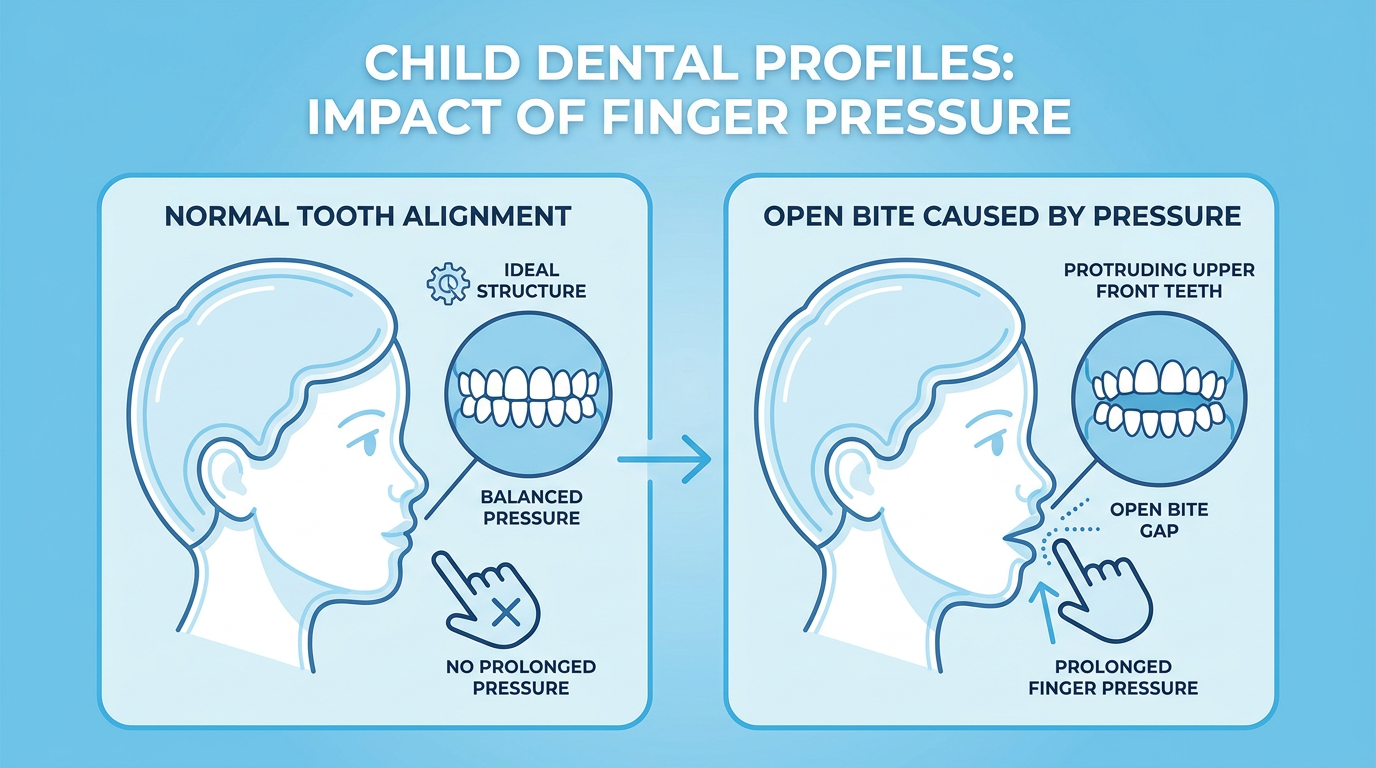
  • Open bite: The front upper and lower teeth do not meet when the mouth is closed, creating a gap.
  • Protruding front teeth: The upper front teeth can push forward, often referred to as "buck teeth."
  • Crossbite: Upper teeth fit inside the lower teeth.
  • Jaw discrepancies: The upper jaw might narrow, affecting the overall bite and facial structure.
  • Speech impediments: Lisping or other speech issues can arise due to the altered oral anatomy, impacting sounds like "s" and "th."
A side-by-side illustration showing two child profiles.

When Should a Child Stop Thumb Sucking?

Ideally, children should cease thumb sucking by age five to avoid potential dental and speech problems, especially as permanent teeth begin to emerge. If the habit continues past this age, it’s advisable to consult a pediatric dentist like Dr. Tyler Driggers.

Most children stop thumb or pacifier sucking on their own between two and four years old. However, when the habit persists into their school years, often beyond kindergarten, the risk of dental complications significantly increases. This is a key indicator that it's time for an intervention.

Factors to consider regarding intervention age:

  • Age five benchmark: This is a critical age. If thumb sucking is active and intense after five, dental intervention is usually recommended.
  • Eruption of permanent teeth: As adult teeth start to emerge, they are more susceptible to being displaced or misaligned by thumb sucking.
  • Social impact: Children might face teasing or self-consciousness at school due to the habit or its visible dental effects.
  • Intensity matters: Even a younger child (age 3-4) with very aggressive thumb sucking that's already causing visible dental shifts might benefit from earlier guidance.
A close-up of a child's hands holding a calendar, with a circle drawn around "Age 5" as a benchmark, emphasizing the age when thumb sucking typically should cease.

Warning Signs of Thumb Sucking Dental Problems

Key warning signs of thumb sucking-related dental issues include visible changes in tooth alignment, such as protruding front teeth or an open bite, and difficulties with speech. Noticing these early allows for timely intervention.

Parents should regularly observe their child's teeth and jaw for any noticeable changes, especially if the thumb-sucking habit is persistent. These subtle shifts can become more pronounced over time if left unaddressed. Early detection is always beneficial for simpler and less invasive treatments.

Beyond physical dental changes, speech can also be an indicator. If your child develops a lisp or has difficulty pronouncing certain sounds, particularly those that require the tongue to touch the back of the front teeth, it could be related to changes in their oral structure. Dr. Driggers can assess these interrelated issues during an examination.

A young girl, about 6 years old, struggling to pronounce words during a speech therapy session.

Schedule a Consultation at Crossroads Pediatric Dentistry

If you're concerned about your child's thumb sucking habit or its impact on their oral development, contact Crossroads Pediatric Dentistry in Acworth, GA, today. Dr. Tyler Driggers and his compassionate team are here to assess your child's needs and discuss the best approach. Call us to schedule an appointment for your child.

Gentle Intervention Strategies for Parents

Gentle intervention strategies focus on positive reinforcement, identifying triggers, and offering alternative comforts to help your child gradually stop thumb sucking without causing undue stress. Consistency and patience are key components of success.

Approaching the habit cessation with understanding and support, rather than punishment, yields the best results. Focus on empowering your child and making them a partner in the process.

Effective gentle strategies include:

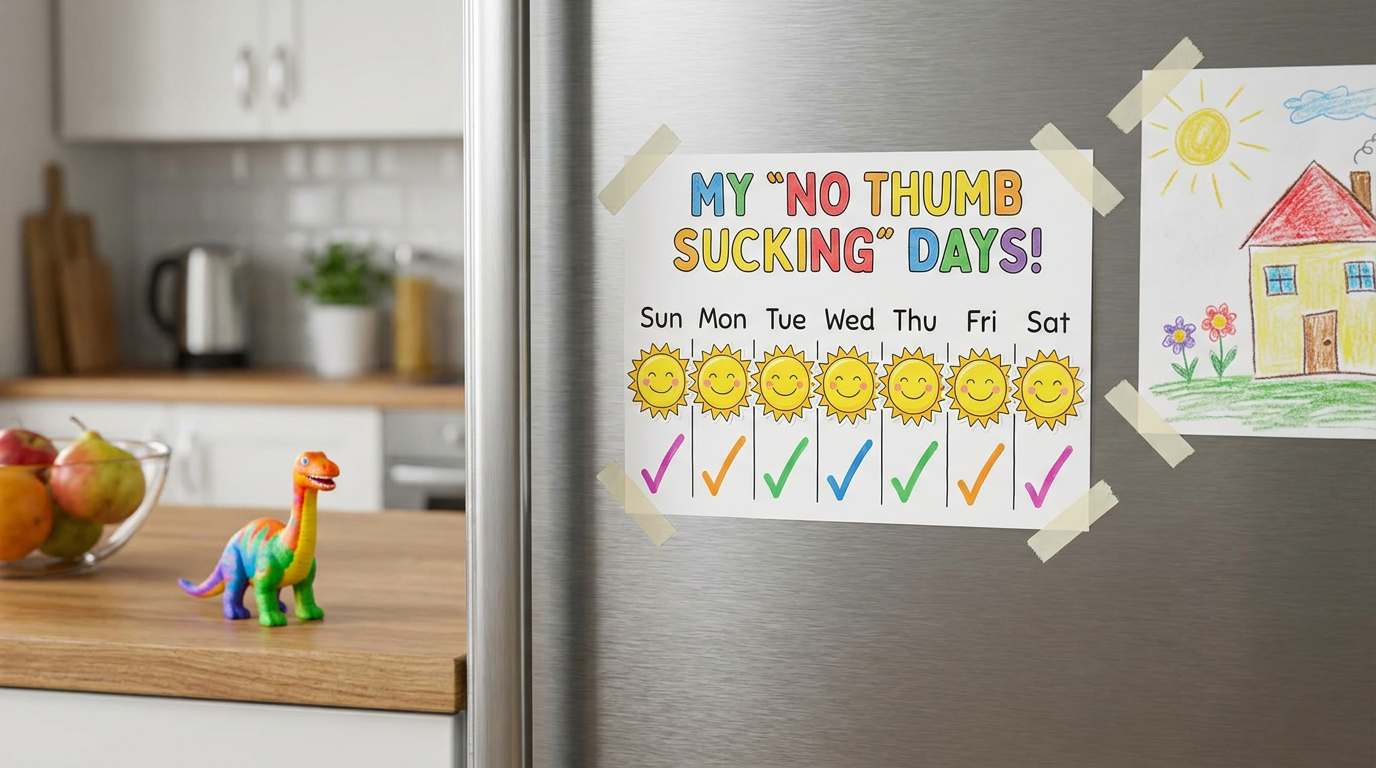
  • Positive reinforcement: Praise and reward your child for not sucking their thumb, even for short periods. Use sticker charts or small privileges.
  • Identify triggers: Observe when your child typically sucks their thumb (e.g., when tired, bored, anxious) and try to address the underlying need or offer an alternative, such as a comfort blanket or a hug.
  • Verbal reminders: Gently remind your child when they are sucking their thumb, but avoid nagging or shaming.
  • Physical deterrents (last resort): For older children who are motivated to stop, a band-aid on the thumb or a bitter-tasting but non-toxic nail polish can sometimes serve as a gentle reminder, but these should be used sparingly and with your child's consent.
  • Reading books: Find children's books that discuss thumb sucking in a positive, encouraging way to help them understand and internalize the change.
A vibrant sticker chart on a refrigerator, showing a sequence of smiling sun stickers, each representing a day the child did not suck their thumb.

When to Consult a Pediatric Dentist

You should consult a pediatric dentist like Dr. Tyler Driggers if your child's thumb sucking persists past age five, is causing visible dental changes, or is impacting their speech. Professional guidance can offer effective, tailored solutions.

Bringing your child to Crossroads Pediatric Dentistry in Acworth is a proactive step once you notice concerning signs. Dr. Driggers can assess the exact impact of the habit on your child's oral development, identifying whether there are already shifts in tooth alignment or jaw growth. He can then recommend appropriate strategies.

Sometimes, a custom-fitted oral appliance may be necessary to remind the child not to suck their thumb and to allow teeth to reposition. These space maintainers or habit appliances are usually temporary and are part of a comprehensive plan tailored to your child's specific needs, focusing on the least invasive approach first.

Dr.

Professional Interventions and Solutions

Professional interventions for persistent thumb sucking primarily involve custom oral appliances, like habit breakers, designed to gently discourage the habit and allow for proper oral development. These are typically used in conjunction with behavioral strategies.

When home-based strategies are not sufficient, Dr. Tyler Driggers can provide professional interventions tailored to your child's specific situation. These solutions are always discussed thoroughly with parents and the child to ensure understanding and cooperation.

Common professional interventions include:

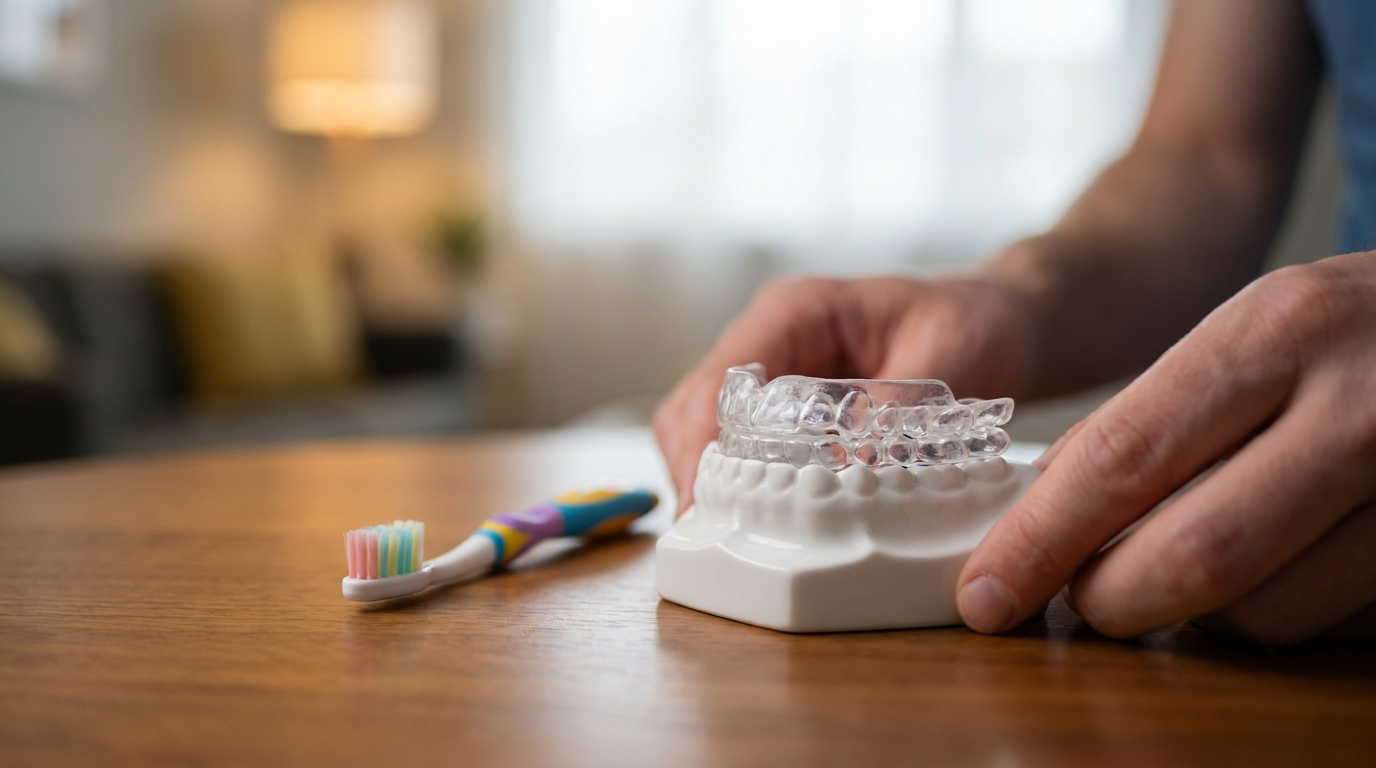
  • Oral appliances (habit breakers): These are custom-made devices, often similar to a retainer, that fit in the mouth. They serve as a physical reminder not to suck the thumb, making the habit less satisfying.
  • Behavioral counseling: Dr. Driggers and his team can offer further guidance on behavioral modification techniques and strategies for parents and children.
  • Monitoring and guidance: Regular check-ups allow Dr. Driggers to monitor your child's oral development and adjust interventions as needed. He can also provide insights into future orthodontic needs.
  • Addressing underlying causes: Sometimes, thumb sucking is linked to anxiety or stress. While not a therapist, Dr. Driggers can suggest strategies or referrals if he suspects an underlying emotional factor.
A specialized, transparent habit breaker oral appliance resting on a clean, white dental tray, with a small child-sized toothbrush positioned next to it, symbolizing professional intervention and oral hygiene.

What This Means for Your Child's Oral Health

Maintaining healthy habits is crucial for your child's developing smile. Recognizing when thumb sucking transitions from a typical childhood behavior to a potential oral health issue is a significant step in preventing future complications. By understanding the signs and consulting with a pediatric dental professional, you can ensure your child receives the care they need. Dr. Tyler Driggers at Crossroads Pediatric Dentistry in Acworth is dedicated to supporting families through these developmental milestones. His expertise in pediatric dentistry, from early dental care to specialized interventions like space maintainers, ensures that your child's oral health is in capable hands. Early intervention often leads to simpler and more effective solutions, protecting their smile and overall well-being. Don't hesitate to reach out if you have concerns about your child's thumb sucking habit or other aspects of their dental development, including tooth decay prevention.

Paige, a cheerful woman in her 30s, and her son, about 7 years old, sharing a high-five in their brightly lit living room.

Frequently Asked Questions

1. When should I be concerned about my child's thumb sucking?
You should be concerned if your child continues to vigorously suck their thumb after age five, especially if new permanent teeth are emerging, given the risk of dental misalignment.

2. Can thumb sucking cause permanent dental damage?
Yes, prolonged or aggressive thumb sucking can lead to permanent changes in tooth alignment, jaw development, and bite, potentially requiring orthodontic treatment later.

3. What are the signs of dental problems from thumb sucking?
Look for protruding front teeth, an open bite where front teeth don't meet, crossbite, or changes in how your child speaks, such as a lisp.

4. Will my child stop thumb sucking on their own?
Many children stop on their own by age four, but some continue due to stress, habit, or comfort. If it persists, intervention may be necessary.

5. What kind of professional help does Crossroads Pediatric Dentistry offer for thumb sucking?
Dr. Tyler Driggers offers evaluations, behavioral guidance, and custom oral appliances like habit breakers to gently discourage thumb sucking.

6. Are there non-dental effects of persistent thumb sucking?
Yes, beyond dental issues, persistent thumb sucking can sometimes impact speech development and social interactions or self-esteem for older children.

7. What is a habit breaker appliance?
A habit breaker is a custom-made dental device, similar to a retainer, that fits in your child's mouth to make thumb sucking less satisfying and remind them to stop.

8. How does Dr. Driggers decide on the best intervention?
Dr. Driggers considers your child’s age, the intensity of the habit, existing dental effects, and your family's preferences to create a personalized intervention plan.

9. Will my child need braces if they sucked their thumb?
Not necessarily. Early intervention can prevent severe issues. However, if significant misalignment occurs, orthodontic treatment might be required later.

10. Is it okay to scold my child for thumb sucking?
It's best to avoid scolding or shaming, as it can increase stress and make the habit worse. Focus on positive reinforcement and gentle encouragement.

Contact Us

Address
85 Golfcrest Drive Suite 105, Acworth, GA 30101
Phone Number
(770) 738-5437
Business Hours
Mon - Thu
8 AM - 5 PM
Fri-Sun
Closed
Related Blog Posts

Stay Informed with Expert Insights & Tips About Dental Care

7.9.2026

When Your Child Chips a Front Tooth

When your child chips a front tooth, Lauren's story guides you through immediate steps, expert advice, and treatment options.

READ MORE
7.9.2026

Are Dental X-Rays Safe for Kids? a Guide

Pediatric dental X-rays use minimal radiation to detect hidden issues early, ensuring timely treatment and safeguarding a child's developing smile.

READ MORE
6.2.2026

Pediatric Dental Exams: Digital X-Rays for Acworth Kids

Uncover why pediatric dental exams with digital X-rays are vital for your child's health in Acworth, GA.

READ MORE