Back to Blogs

Are Dental X-Rays Safe for Kids? a Guide

Pediatric dental X-rays use minimal radiation to detect hidden issues early, ensuring timely treatment and safeguarding a child's developing smile.

July 9, 2026
2 min read
Ryan, packs a colorful lunchbox with an apple and milk carton on a kitchen island in morning light.
Back to Blogs

Are Dental X-Rays Safe for Kids? a Guide

Ryan, packs a colorful lunchbox with an apple and milk carton on a kitchen island in morning light.

Pediatric dental X-rays use minimal radiation to detect hidden issues early, ensuring timely treatment and safeguarding a child's developing smile.

July 9, 2026
2 min read

Understanding Pediatric Dental X-Rays

Many parents wonder about the safety of dental X-rays for their children, a completely understandable concern given the rising awareness of radiation exposure. Pediatric dental X-rays are a vital diagnostic tool, safely used to reveal hidden issues that aren’t visible during a routine visual exam, ensuring timely and effective treatment. These radiographs are designed with a child's unique needs in mind.

Ryan, a father of two, recently brought his five-year-old son, Ethan, to Crossroads Pediatric Dentistry in Acworth after noticing a slight discoloration on one of Ethan’s molars. Ryan felt a familiar worry about X-rays.

He hoped Dr. Tyler Driggers could offer reassurance and a clear understanding of the process. Ryan was keen to ensure Ethan received the best care without unnecessary risks.

Ryan, sits in a modern dental office waiting area, looking intently at a brochure about dental X-rays with a thoughtful expression.

How Often Do Kids Need X-Rays?

The frequency of dental X-rays for children is not set in stone, as it's highly individualized based on several factors. Dr. Driggers explains that a child's age, oral health history, and risk for cavities all play a significant role in determining how often X-rays are needed. For some children, X-rays might be necessary every six months, especially if they have a high risk of decay or developmental concerns.

For others with excellent oral hygiene and a low cavity risk, they might only need them every one to two years. Ethan, for instance, had a healthy dental history, but his recent discoloration suggested a need for closer examination. Dr. Driggers reassured Ryan that every recommendation is made with a focus on Ethan’s specific health needs.

Factors Influencing X-ray Frequency:

  • Age and Development: Younger children and those undergoing orthodontic treatment often require more frequent imaging.
  • Decay Risk: Children with a history of cavities or poor oral hygiene habits may need X-rays more often.
  • Symptoms or Concerns: Any specific symptoms, like Ethan's discoloration, necessitate immediate investigation.
  • Trauma: Injuries to the mouth may require X-rays to check for damage to roots or bone.
  • Previous X-rays: The results of past X-rays guide future imaging decisions, ensuring a comprehensive view.
Dr.

Are Dental X-Rays Safe for Kids?

Many parents frequently ask, "Are dental X-rays safe for kids?" and the answer is a resounding yes, thanks to modern advancements. Dental X-rays use extremely low doses of radiation, much less than what children are exposed to in their daily lives from natural environmental sources. The benefits of diagnosing potential issues early far outweigh the minimal risks involved.

Dr. Driggers assured Ryan that the practice utilizes state-of-the-art digital X-rays, significantly reducing radiation exposure compared to traditional film X-rays. This technology is a critical part of ensuring patient safety. Ryan felt a wave of relief as Dr. Tyler Driggers explained the science.

Safety Measures Utilized:

  • Digital X-rays: These reduce radiation exposure by up to 90% compared to conventional film X-rays.
  • Lead Aprons: Children always wear lead aprons with thyroid collars to shield the body from scattered radiation.
  • Targeted Imaging: Only necessary images are taken, focusing precisely on the area of concern.
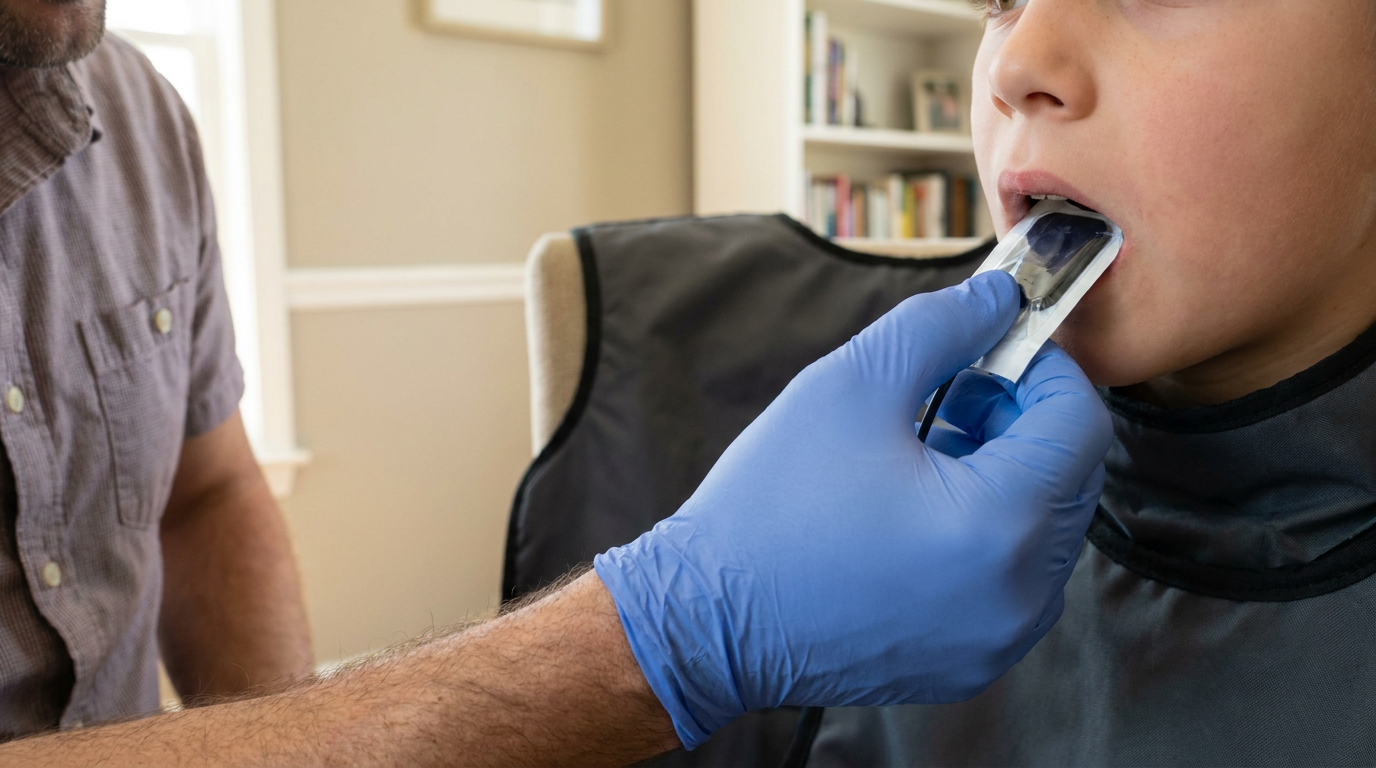
  • Child-Sized Sensors: These smaller sensors fit comfortably in a child's mouth, minimizing discomfort and exposure area.
  • Expert Oversight: Each X-ray decision is made by Dr. Driggers based on clinical need, not routine.
A close-up of a digital X-ray sensor being gently held by a dental assistant's gloved hand towards a child's mouth (child's face out of frame, focus on the sensor and a small portion of the mouth).

Digital X-Rays vs. Traditional Film

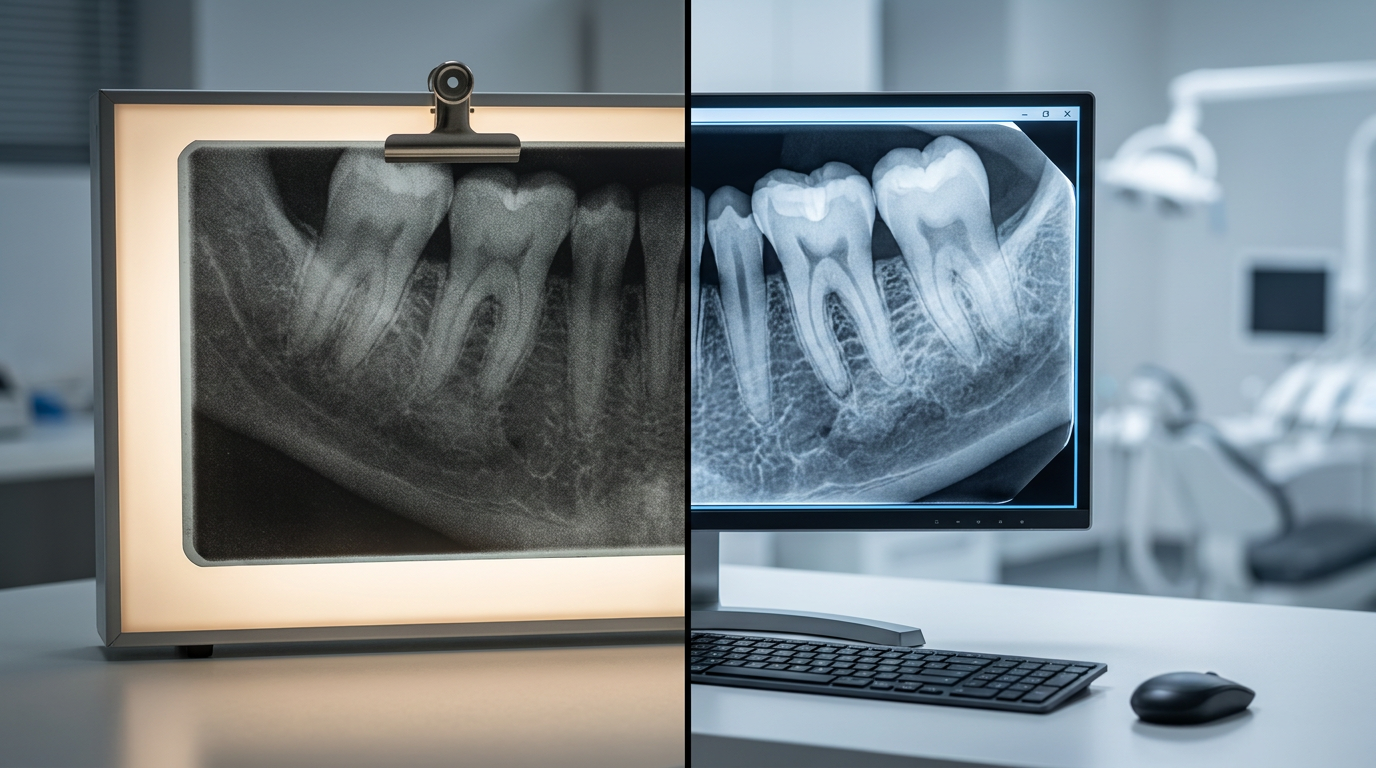
The contrast between digital X-rays and traditional film technology is quite significant when it comes to pediatric dental care. Digital X-rays offer a superior diagnostic image with a fraction of the radiation traditionally used. This allows Dr. Driggers to get a clear picture of what’s happening beneath the surface with enhanced safety.

For parents like Ryan, understanding this difference provides immense peace of mind. He learned that not only is the radiation dose lower, but digital images appear instantly on a computer screen, allowing for immediate review with the parent. This interactive approach helps parents visualize and understand their child's oral health issues more clearly. It’s part of the comprehensive care at Crossroads Pediatric Dentistry, where patient education is paramount.

A split image comparison.

Schedule an Appointment

If you have questions about your child's dental health or the safety of X-rays, please reach out to Crossroads Pediatric Dentistry. Our team is here to provide gentle, comprehensive care and answer all your concerns. Contact us today to schedule your child's first visit or a consultation.

What Happens During a Child's X-Ray?

When a child like Ethan needs dental X-rays, the process is designed to be as quick, comfortable, and non-threatening as possible. Dr. Driggers’ team explains each step in simple, child-friendly language to ease any anxiety. Children are usually given a lead apron to wear, and a small, smooth sensor is carefully placed in their mouth.

The actual exposure time is just a split second, making it easy for even very young children to tolerate. Ryan watched as Ethan followed the team's instructions, quickly completing the images needed. The team keeps the atmosphere light and reassuring to create a positive experience.

Steps for a Smooth X-ray Experience:

  • Explanation: The dental assistant or Dr. Driggers will gently explain the process to the child.
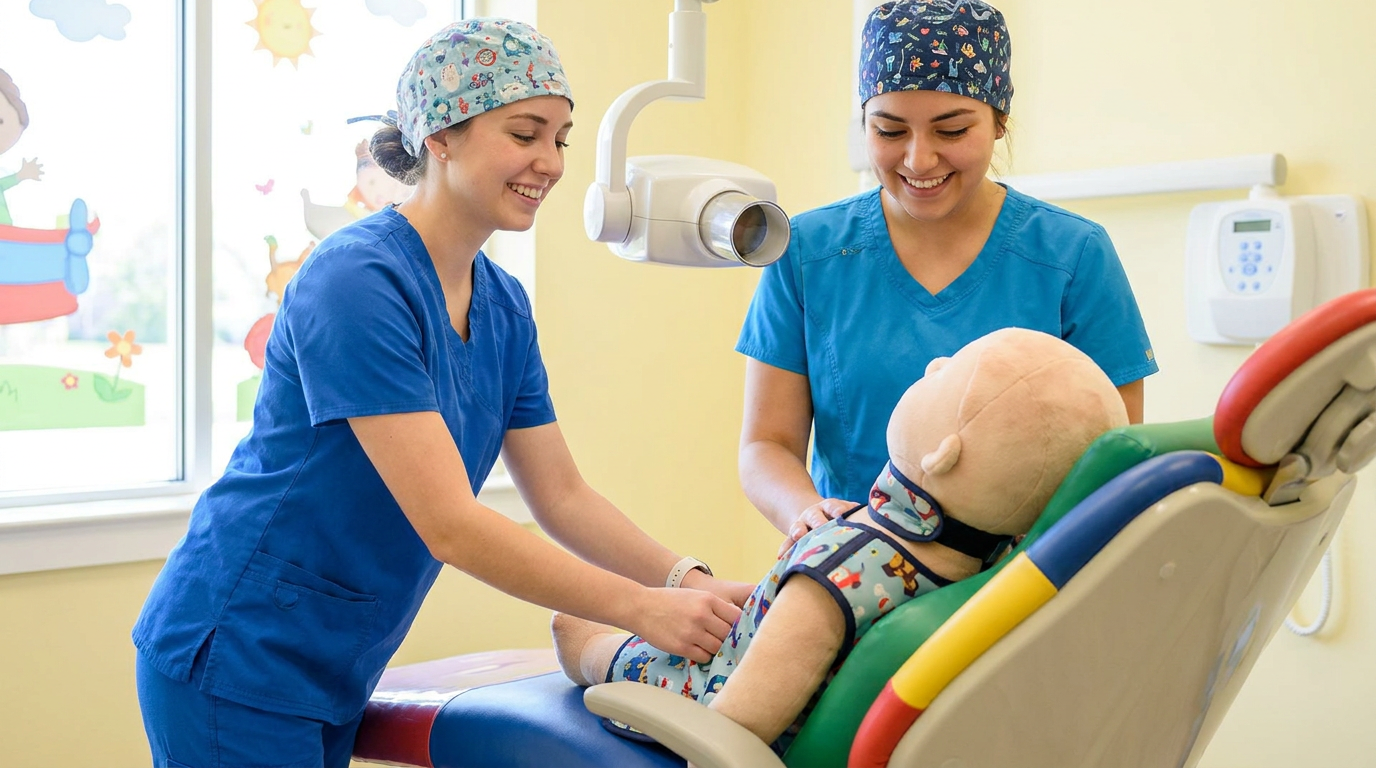
  • Lead Apron Placement: A protective lead apron and collar are secured over the child’s shoulders.
  • Sensor Positioning: A small, comfortable digital X-ray sensor is carefully placed.
  • Quick Image Capture: The X-ray machine captures the image in milliseconds.
  • Review: Dr. Driggers reviews the images instantly on a monitor with the parent present.
A dental assistant, with a warm smile, demonstrates the placement of a lead apron and thyroid collar on a friendly, child-sized mannequin in a bright, child-friendly dental operatory.

Uncovering Hidden Dental Issues

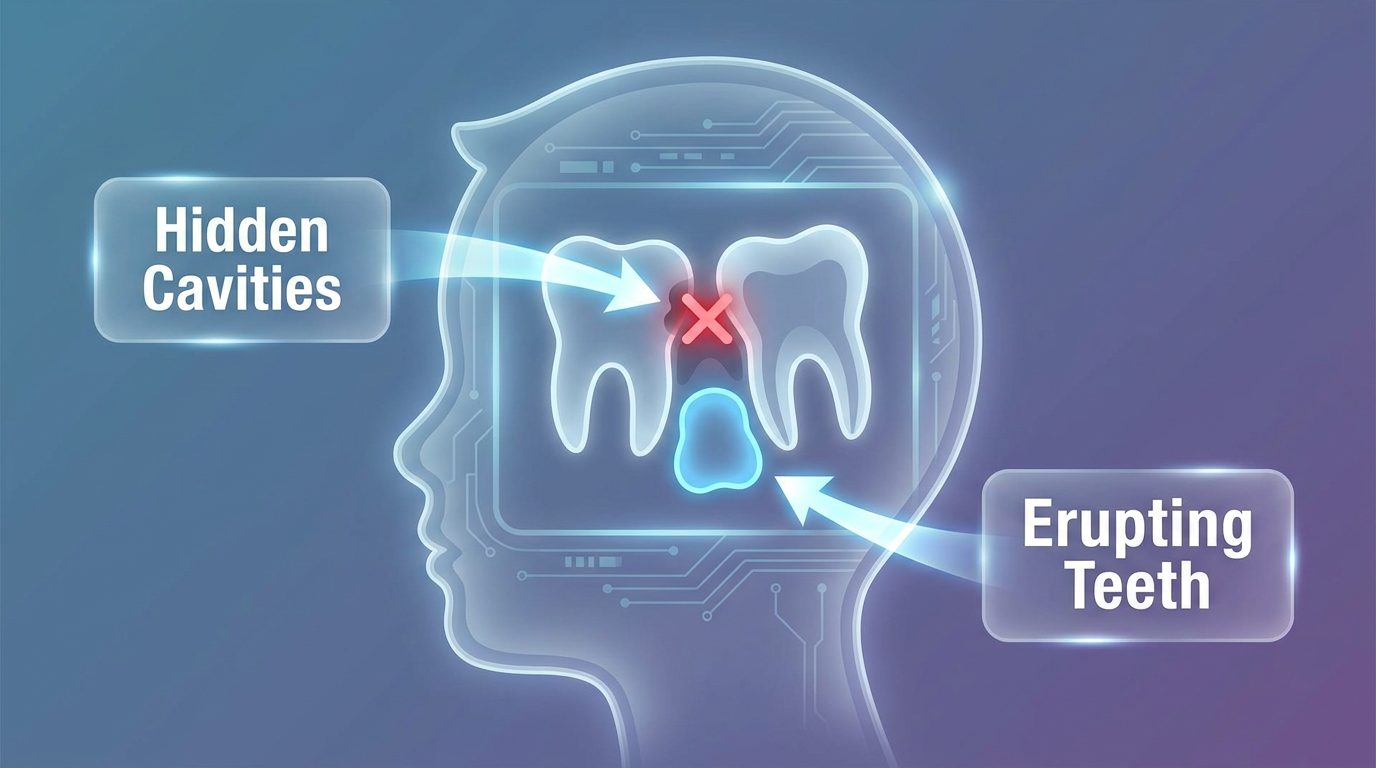
The primary reason dental X-rays are so important for children is their ability to uncover issues that are completely invisible during a visual examination. Cavities often start between teeth, under existing fillings, or even below the gum line, where they can’t be seen. Without X-rays, these problems could go undetected until they become much larger and more painful.

For Ethan, his X-ray revealed a small cavity developing between two molars, right where the discoloration initially caught Ryan’s eye. This early detection meant a simpler, less invasive filling was possible, preventing a much more significant problem down the road. Dr. Driggers emphasized that preventative dentistry is always the goal, and X-rays are a core part of that strategy. Early intervention often saves children from pain and more extensive procedures like stainless steel crowns or even extractions later.

A stylized infographic.

Reducing Your Child's Exposure

While dental X-rays are remarkably safe, parents can still take steps to ensure their child's overall radiation exposure is minimized. Maintaining excellent oral hygiene, including consistent brushing and flossing, is paramount. This diligence can significantly reduce the risk of cavities, thereby potentially decreasing the frequency of necessary X-rays. Regular check-ups with Dr. Tyler Driggers are also key.

Eating a balanced diet and limiting sugary snacks also contribute greatly to a child's dental health. Ryan learned that every positive oral health habit can help build a strong foundation. The team at Crossroads Pediatric Dentistry is dedicated to guiding parents through these important preventative measures.

Ways to Minimize X-ray Needs:

  • Consistent Brushing & Flossing: Proper oral hygiene for kids reduces the risk of decay.
  • Healthy Diet: Limit sugary foods and drinks that contribute to cavity formation.
  • Fluoride Use: Ensure adequate fluoride intake through toothpaste or water.
  • Dental Sealants: Consider dental sealants to protect molars from decay.
  • Regular Check-ups: Adhere to recommended dental visit schedules for early detection.
A child's toothbrush and a small tube of children's toothpaste stand upright on a clean, white bathroom counter next to a colourful rinse cup.

Peace of Mind for Parents

Understanding the details of pediatric dental care is invaluable for parents like Ryan. His initial concerns about Ethan’s cavity and the need for X-rays transformed into a sense of reassurance and clarity. Dr. Driggers explained each aspect with such care, emphasizing that every decision is filtered through the lens of a child’s best interest and long-term health.

Knowing that modern digital technology significantly minimizes radiation exposure helped to put any lingering worries to rest. The team’s warm approach, making Ethan comfortable throughout the process, further solidified Ryan’s trust. The early detection of Ethan’s cavity meant he avoided potential pain and more complex procedures later. This experience highlighted the profound value of preventative dentistry.

Ryan left the office feeling confident that he was making informed choices for his son’s health. He understood that dental X-rays, when used judiciously and with advanced technology, are not a risk, but a crucial tool for protecting a child's developing smile. It was a positive and enlightening visit that left both Ryan and Ethan smiling.

Ryan, gives a reassuring high-five to his son, Ethan, a happy-looking 5-year-old boy, as they exit a modern pediatric dental office.

Frequently Asked Questions

1. Are pediatric dental X-rays typically taken at every check-up?
No, pediatric dental X-rays are not routinely taken at every check-up. Dr. Tyler Driggers assesses each child's individual needs based on their age, oral health history, and risk factors for cavities. X-rays are only taken when clinically necessary to diagnose or monitor specific conditions not visible during a visual exam.

2. How much radiation is in a digital dental X-ray for a child?
Digital dental X-rays use an extremely minimal amount of radiation, significantly less than traditional film X-rays. The dose is comparable to the very small amounts of background radiation a child is exposed to daily from natural sources. Crossroads Pediatric Dentistry also uses lead aprons for added protection.

3. Can my child refuse an X-ray?
While a child can express discomfort, ultimately, Dr. Tyler Driggers will discuss the necessity of X-rays with the parents. If essential for diagnosis, the team will use various techniques to make the child feel comfortable and cooperative. If a child cannot cooperate, alternative approaches might be considered or the X-ray rescheduled.

4. Are there alternatives to dental X-rays for detecting cavities?
Currently, there are no fully effective alternatives to dental X-rays for detecting cavities between teeth or under existing restorations. While visual exams can find some cavities, X-rays provide a crucial internal view. Dr. Tyler Driggers only takes X-rays when necessary for comprehensive and safe care.

5. What issues can dental X-rays reveal that a visual exam cannot?
Dental X-rays can reveal a host of hidden issues, including cavities forming between teeth, infections in the bone, developmental abnormalities, and issues with erupting permanent teeth. They can also help Dr. Tyler Driggers monitor bone health and assess for extra or missing teeth, ensuring early intervention.

6. What protective measures are used during my child's X-ray?
During your child's X-ray, several protective measures are employed to ensure their safety. This includes using digital X-rays to reduce radiation exposure and placing a lead apron with a thyroid collar over their body. The team at Crossroads Pediatric Dentistry always prioritizes your child's well-being.

Contact Us

Address
85 Golfcrest Drive Suite 105, Acworth, GA 30101
Phone Number
(770) 738-5437
Business Hours
Mon - Thu
8 AM - 5 PM
Fri-Sun
Closed
Related Blog Posts

Stay Informed with Expert Insights & Tips About Dental Care

7.9.2026

When Your Child's Thumb Sucking Needs Dental Attention

Untreated thumb sucking past early childhood can significantly impact a child's oral development, leading to misaligned teeth, jaw discrepancies, and speech impediments.

READ MORE
7.9.2026

When Your Child Chips a Front Tooth

When your child chips a front tooth, Lauren's story guides you through immediate steps, expert advice, and treatment options.

READ MORE
6.2.2026

Pediatric Dental Exams: Digital X-Rays for Acworth Kids

Uncover why pediatric dental exams with digital X-rays are vital for your child's health in Acworth, GA.

READ MORE