1. What should I do if my child has a dental emergency after hours?
If your child experiences a dental emergency when our office is closed, please call our main number. You'll receive instructions on how to reach Dr. Tyler Driggers or our on-call staff for guidance and to determine if an immediate visit is necessary.
2. How much does an emergency visit typically cost?
The cost of an emergency visit can vary depending on the nature of the injury and the required treatment. We will always provide an estimate before any extensive work begins, and we encourage you to discuss your insurance benefits with our front desk team when you call. You can also review our patient forms for more information.
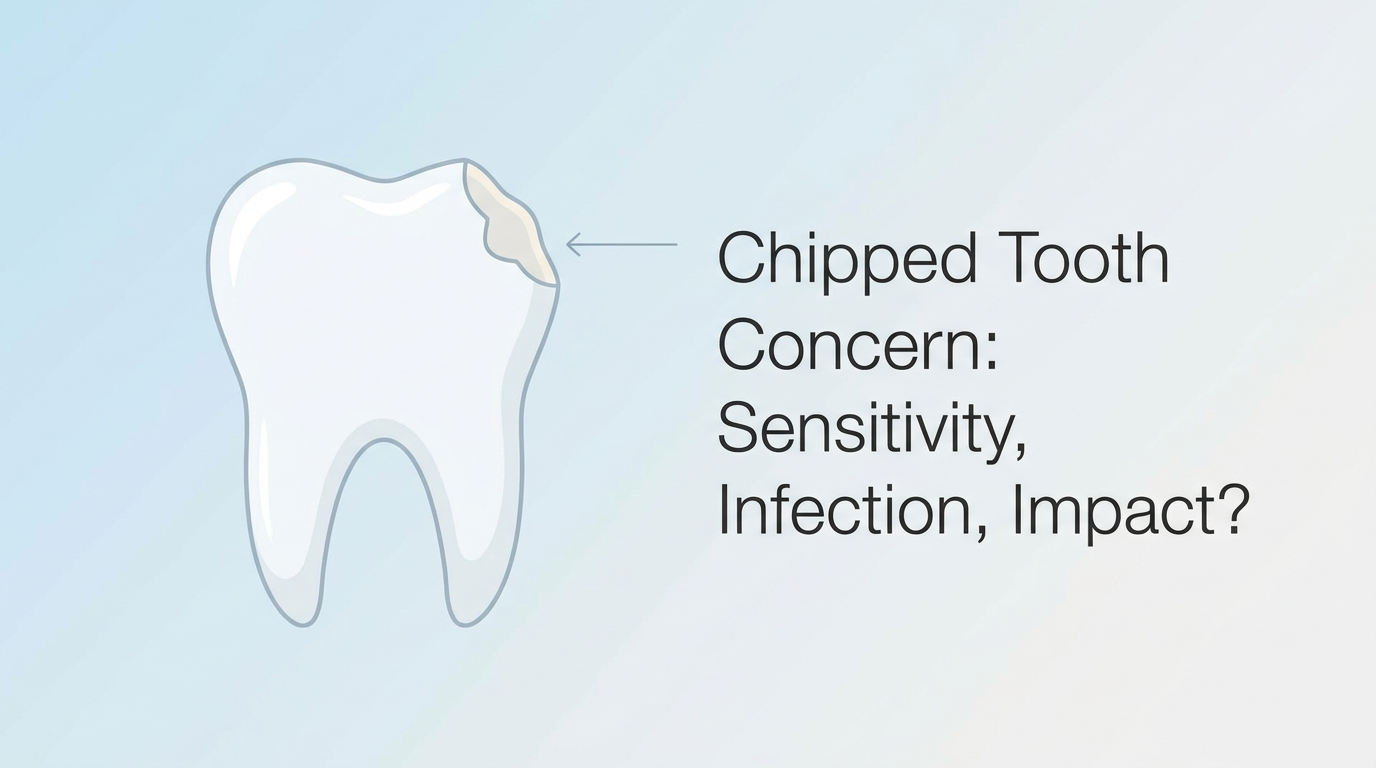
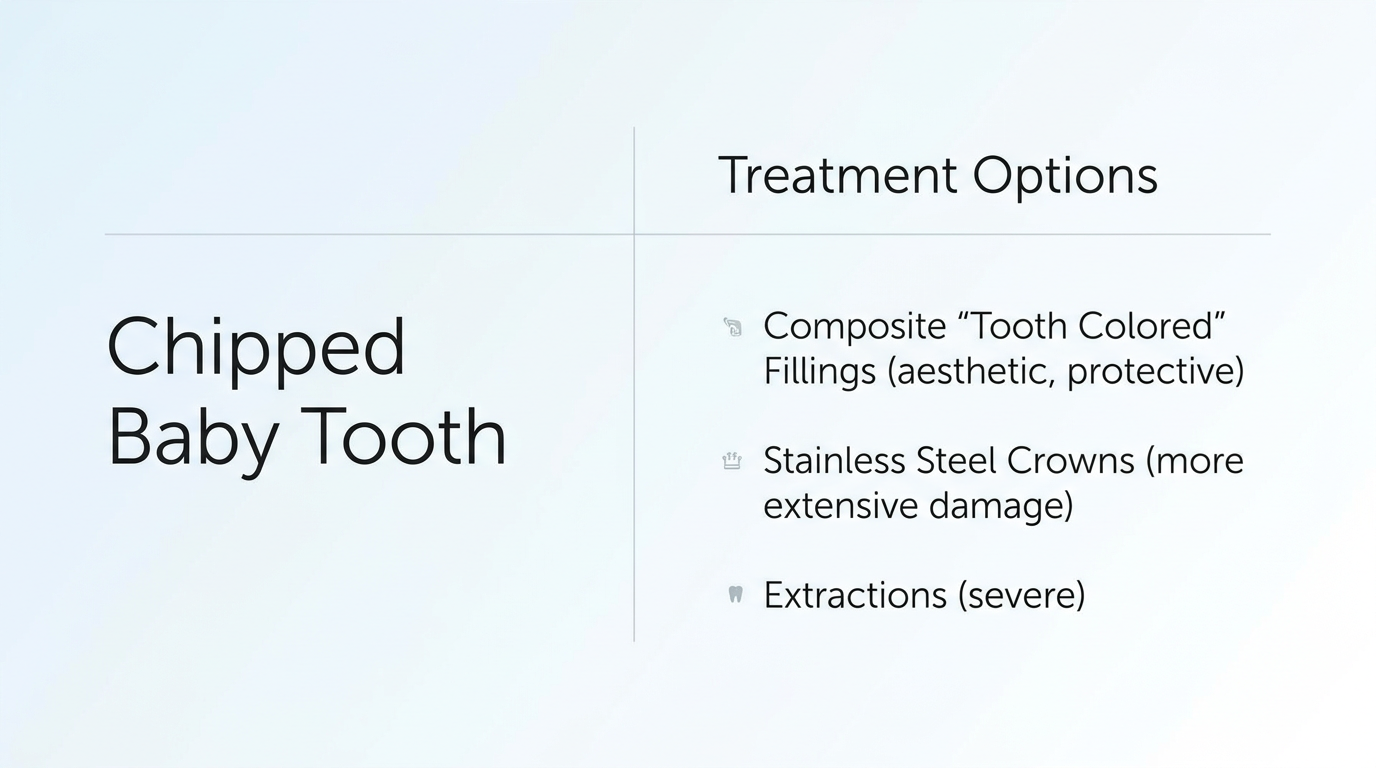
3. Will my child need a permanent crown for a chipped baby tooth?
Not necessarily. For a chipped baby tooth, options like composite "tooth colored" fillings are often sufficient to restore the tooth. If the damage is more extensive, a stainless steel crown might be used, but the goal is usually to maintain the baby tooth until the permanent tooth is ready to erupt.
4. My child is very anxious. How do you help with fear during an emergency?
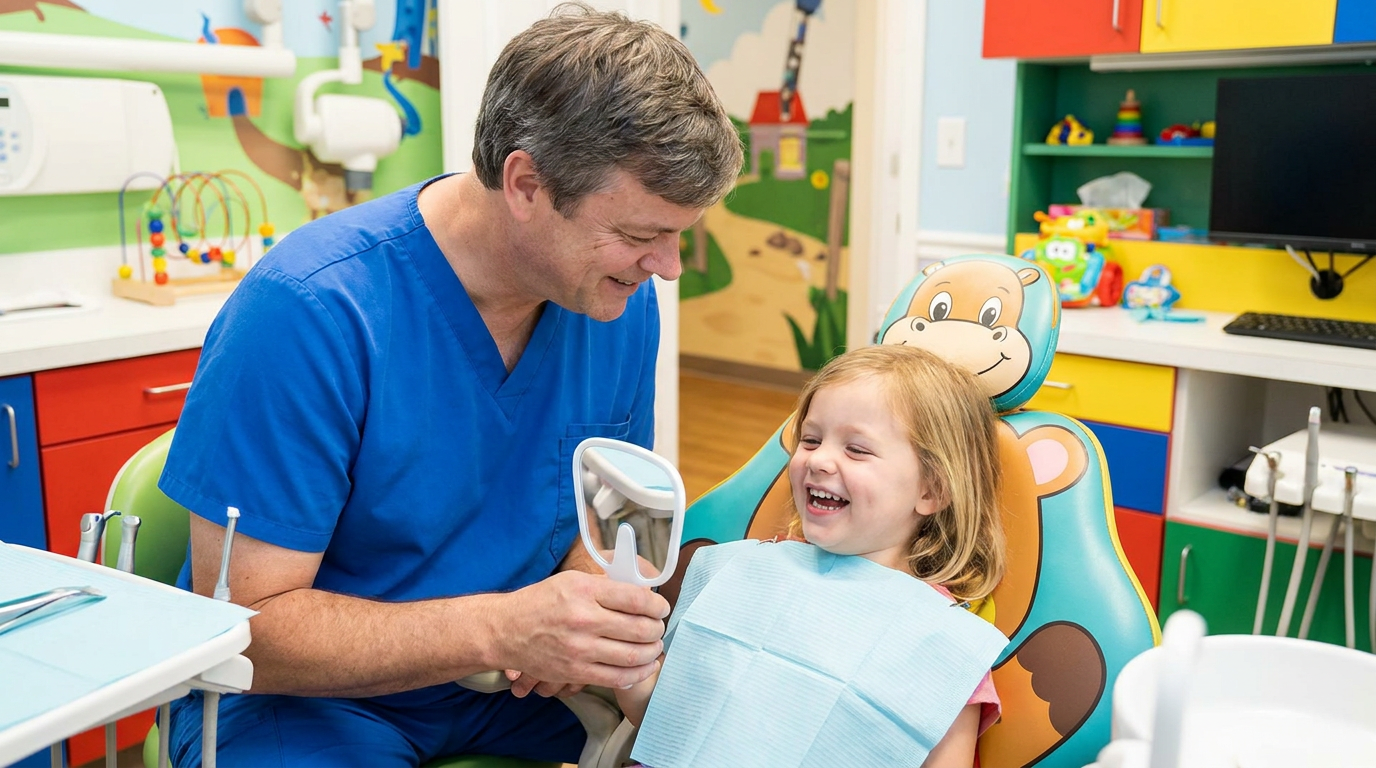
We understand that dental emergencies can be scary for children. Dr. Tyler Driggers and our team are experts in gentle, compassionate care. We offer nitrous oxide ("laughing gas") to help ease anxiety and discomfort, and our office environment is designed to be calming and welcoming. Feel free to discuss your child's specific concerns when you contact us.
5. What's the difference between a knocked-out tooth and a dislodged tooth?
A knocked-out tooth means the entire tooth (root and crown) has come out of the socket. A dislodged tooth is still in the mouth but has been pushed out of its normal position (e.g., pushed in, out, or sideways). Both are serious pediatric dental emergencies that require immediate attention from Dr. Tyler Driggers.
6. What can I do to prevent future dental emergencies for my child?
Regular dental check-ups and cleanings, wearing a mouthguard during sports, and avoiding chewing on hard objects are crucial. Good oral hygiene for kids, including proper brushing and flossing, also helps keep teeth strong and less prone to injury. Check out our tips for more guidance.

.webp)