Back to Blogs

How Many Baby Teeth Do Kids Have?

Discover how many baby teeth kids have, their crucial role in development, and how to nurture healthy smiles for life.

March 11, 2026
2 min read
Back to Blogs

How Many Baby Teeth Do Kids Have?

Discover how many baby teeth kids have, their crucial role in development, and how to nurture healthy smiles for life.

March 11, 2026
2 min read

The Unexpected Discovery of a Wobbly Tooth

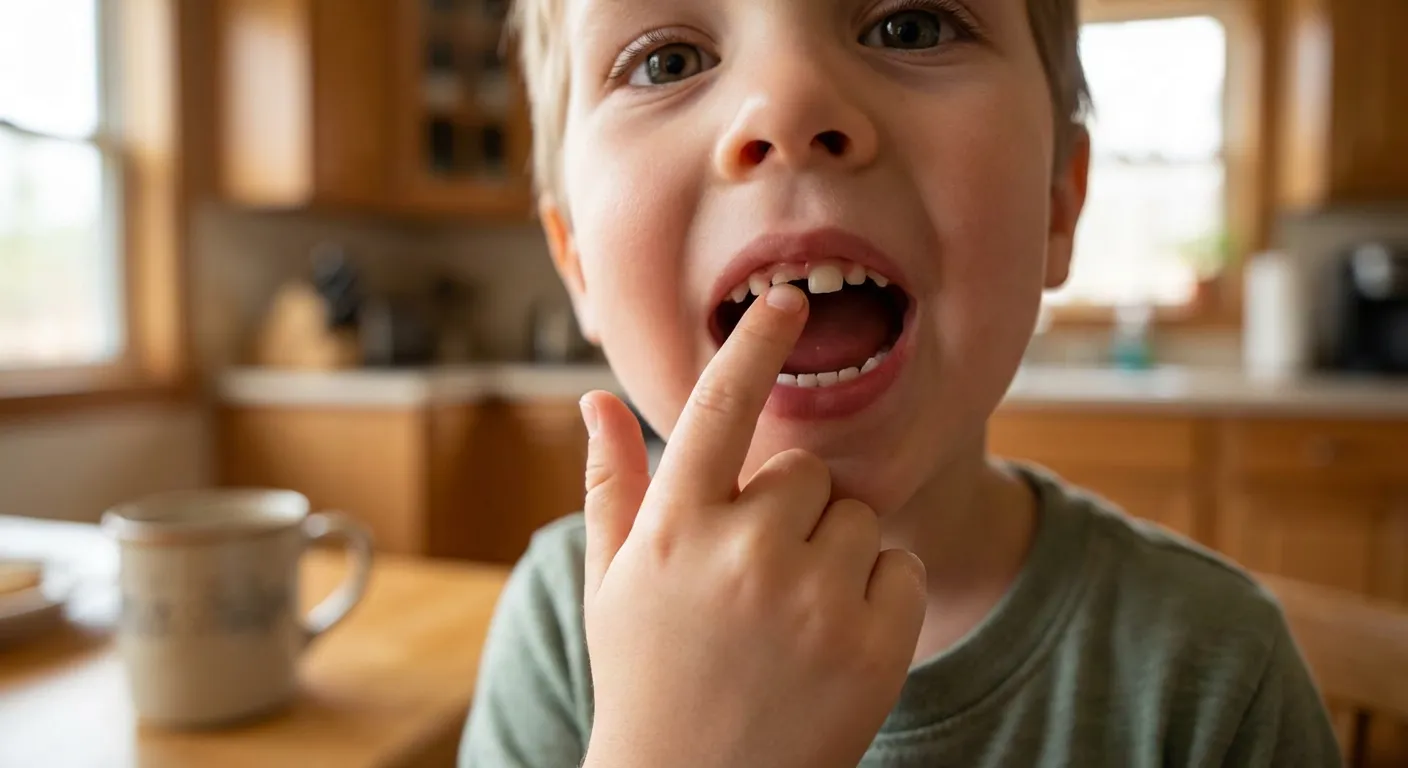
Elara, a bright-eyed five-year-old, burst through the door, a triumphant grin on her face. "Mommy, look!" she exclaimed, wiggling her lower front tooth with an adorable, slightly apprehensive finger. Her mom, patiently preparing dinner, knelt to get a closer look. It was unmistakable – a tiny, pearl-white tooth was indeed loose. A wave of nostalgia washed over Elara’s mom as she remembered her own childhood wobbly teeth.

"Oh my goodness, Elara, it looks like you have your very first baby tooth getting ready to come out!" she cheered. Elara's eyes widened, a mix of excitement and a touch of concern flickering within them. She’d heard stories about the Tooth Fairy, but the concept of losing a part of herself was brand new.

"But how many of these do I have?" Elara questioned, her brow furrowed in thought. Her mother paused, realizing she wasn't entirely sure herself. It was a common question, one many parents often ask themselves when these milestones begin. This little wobbly tooth had opened up a whole new realm of dental curiosity.
Unraveling the Mystery of Primary Teeth

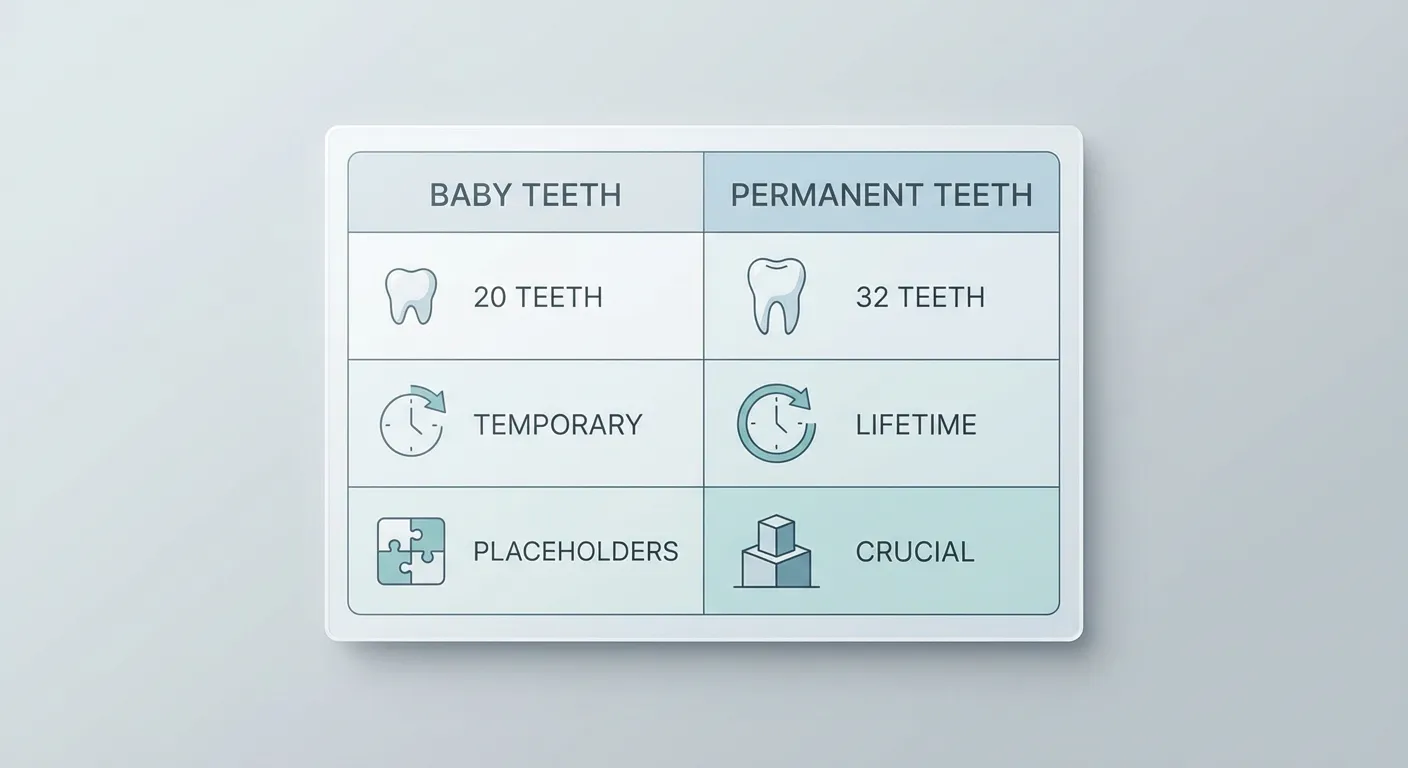
That evening, Elara's dad, Marcus, sat down with her, a children's book about teeth spread open. "You know, Elara, those first teeth you get are very special," he began, pointing to an illustration of a cheerful, toothy child. "They're called 'primary teeth' or 'baby teeth,' and you actually have quite a few of them." He explained that these tiny teeth are placeholders, making sure there's enough room for the permanent, adult teeth that will eventually grow in.

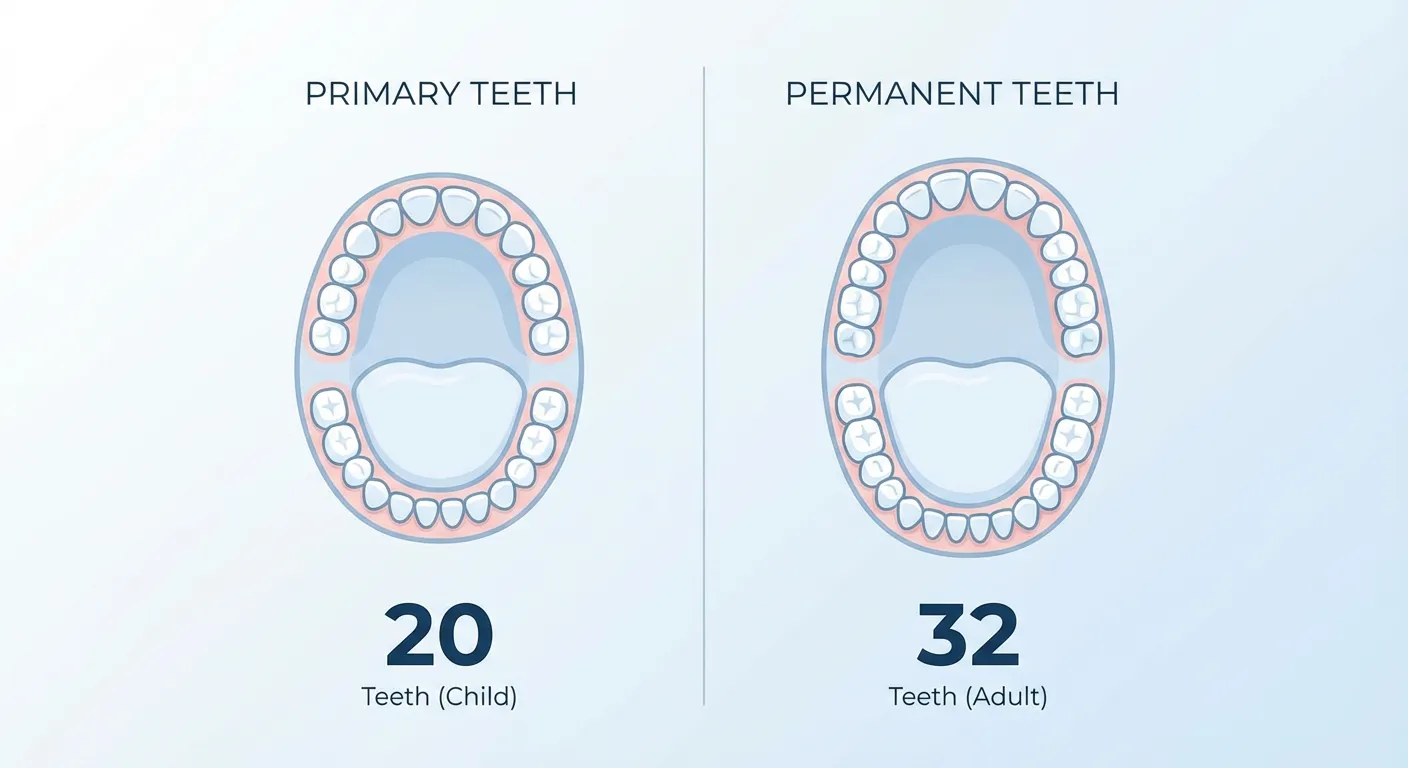
He went on to explain that children typically develop a full set of 20 primary teeth. "That's twenty little helpers for chewing all your yummy food and helping you speak clearly," he emphasized with a smile. Elara counted on her fingers, trying to visualize twenty teeth all at once.

Marcus assured her that while it seemed like a lot, they come in over time, usually starting around six months old and continuing until about two or three years old. "Each one has its own important job," he said, "and they're crucial for guiding those grown-up teeth into the right spots." It was fascinating to think about such a complex process happening right inside her mouth.

The Timeline of Eruption: When Teeth Appear

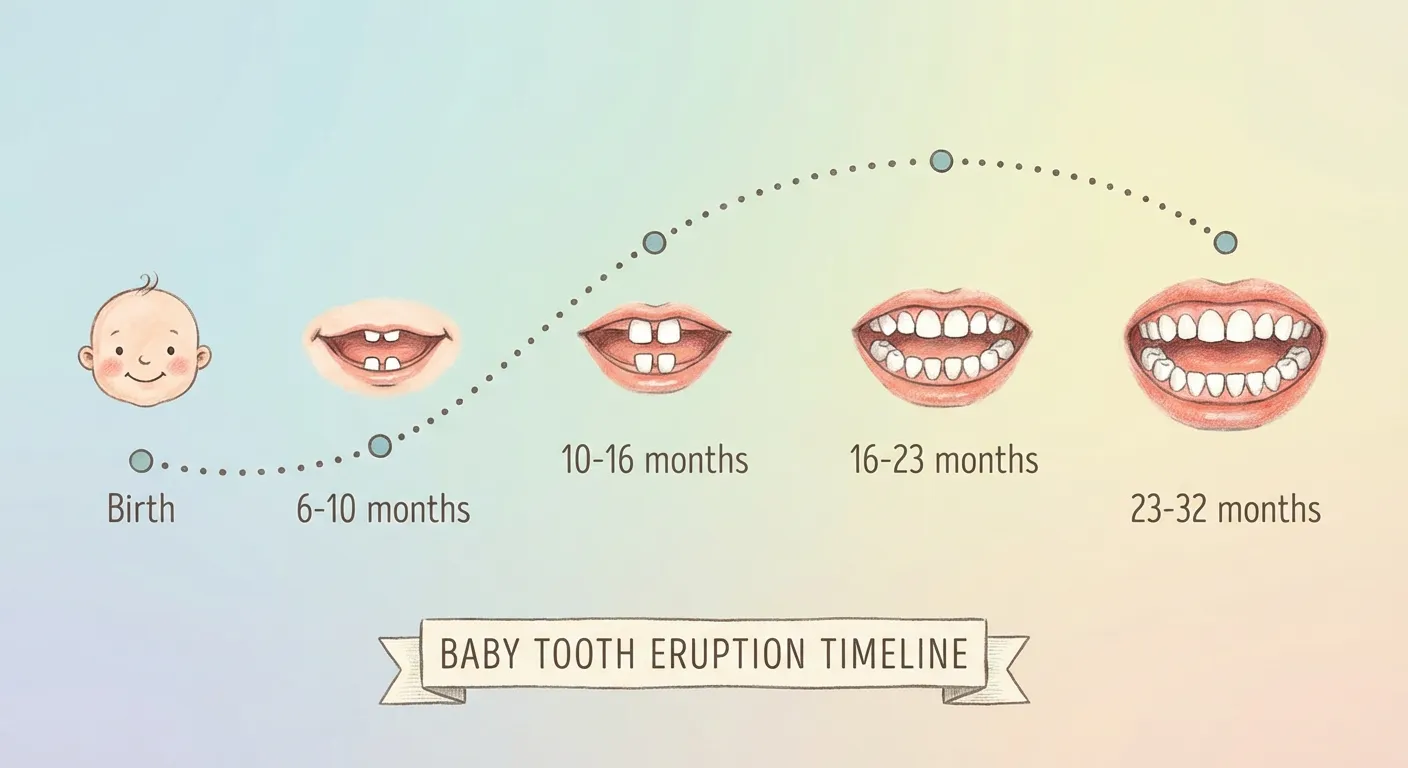
The conversation continued as they looked at a chart showing the eruption schedule of baby teeth. "See these two bottom front ones?" Marcus pointed. "They're usually the first to appear, around 6 to 10 months." Elara remembered pictures of herself as a baby, a wide, gummy smile with just two little nubs peeking through.

Next come the top front teeth, and then the incisors and molars follow, often with some fussiness or "teething" involved. "It's a gradual process, not all at once," he explained, reassuring Elara that she wouldn't suddenly have twenty new teeth popping up overnight. This staggered development allows a child’s mouth to adapt.

By the time children reach about two and a half to three years old, they typically have all 20 primary teeth in place. "These teeth stay with you for several years, helping you learn to bite, chew, and form words," Marcus clarified. Understanding the natural progression helped Elara feel a little less overwhelmed by the idea of her wobbly tooth.

Why Baby Teeth Are More Important Than You Think

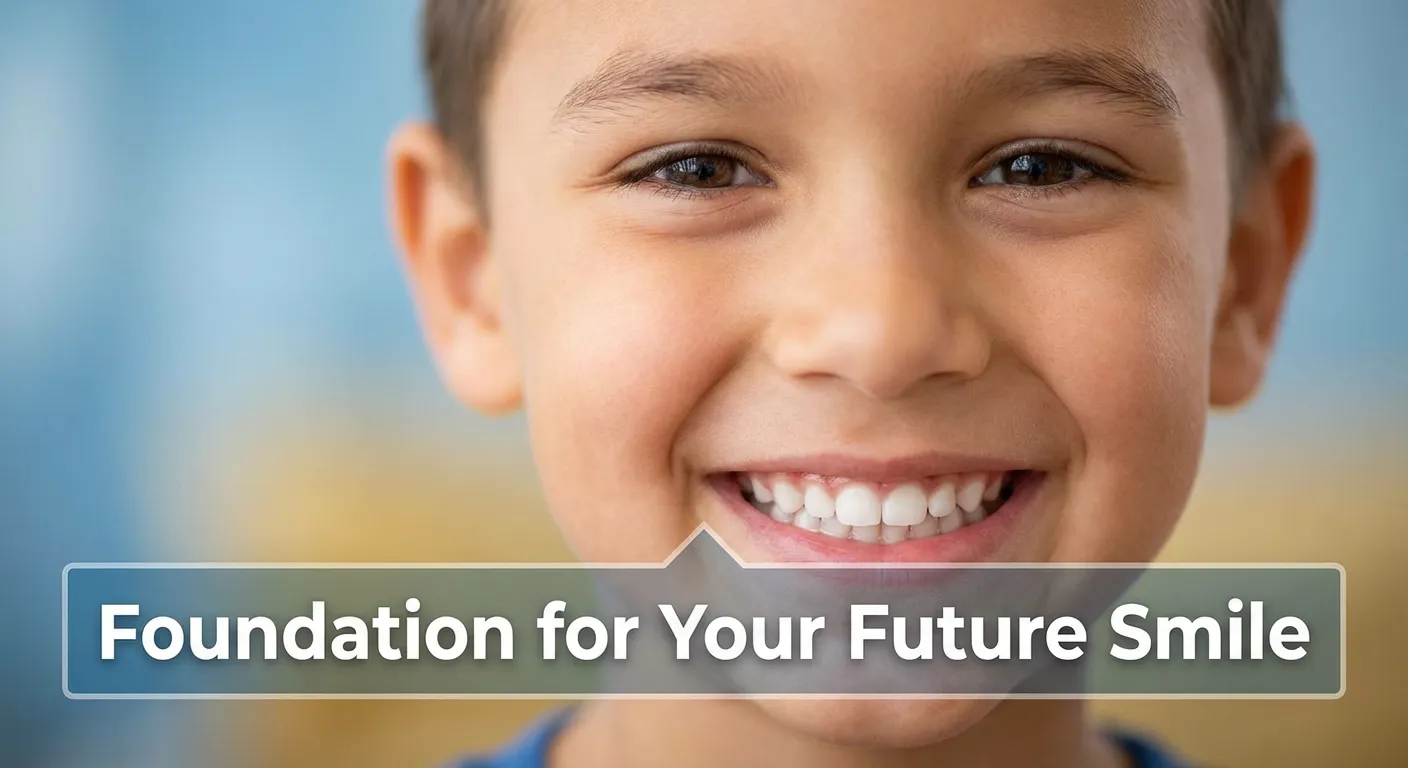
"But if they're just going to fall out, why do we need to take care of them so much?" Elara innocently asked, echoing a common parental query. Marcus explained that while primary teeth are temporary, they play several critical roles beyond just eating. "Think of them as the foundation for your future smile," he said, making the concept more tangible.

They help maintain proper spacing for the adult teeth. If a baby tooth is lost too early due to decay or injury, the other teeth might shift, leaving insufficient room for the permanent tooth to come in correctly. "This can lead to crowded or crooked teeth later on," he warned, highlighting the long-term impact of early dental care.

Furthermore, healthy baby teeth are essential for speech development and the proper alignment of the jaws. "Taking good care of them now with regular brushing and flossing sets up healthy habits for life," Marcus stressed. It became clear to Elara that these little teeth were performing some very big jobs.

The Foundation for a Lifetime

Understanding your child's dental development is a wonderful step towards ensuring their oral health. If you have more questions about primary teeth, their importance, or what to expect, our compassionate team is here to help. Reach out to Crossroads Pediatric Dentistry to schedule a visit and give your child the best start for a healthy smile.

The Role of the Dental Professional

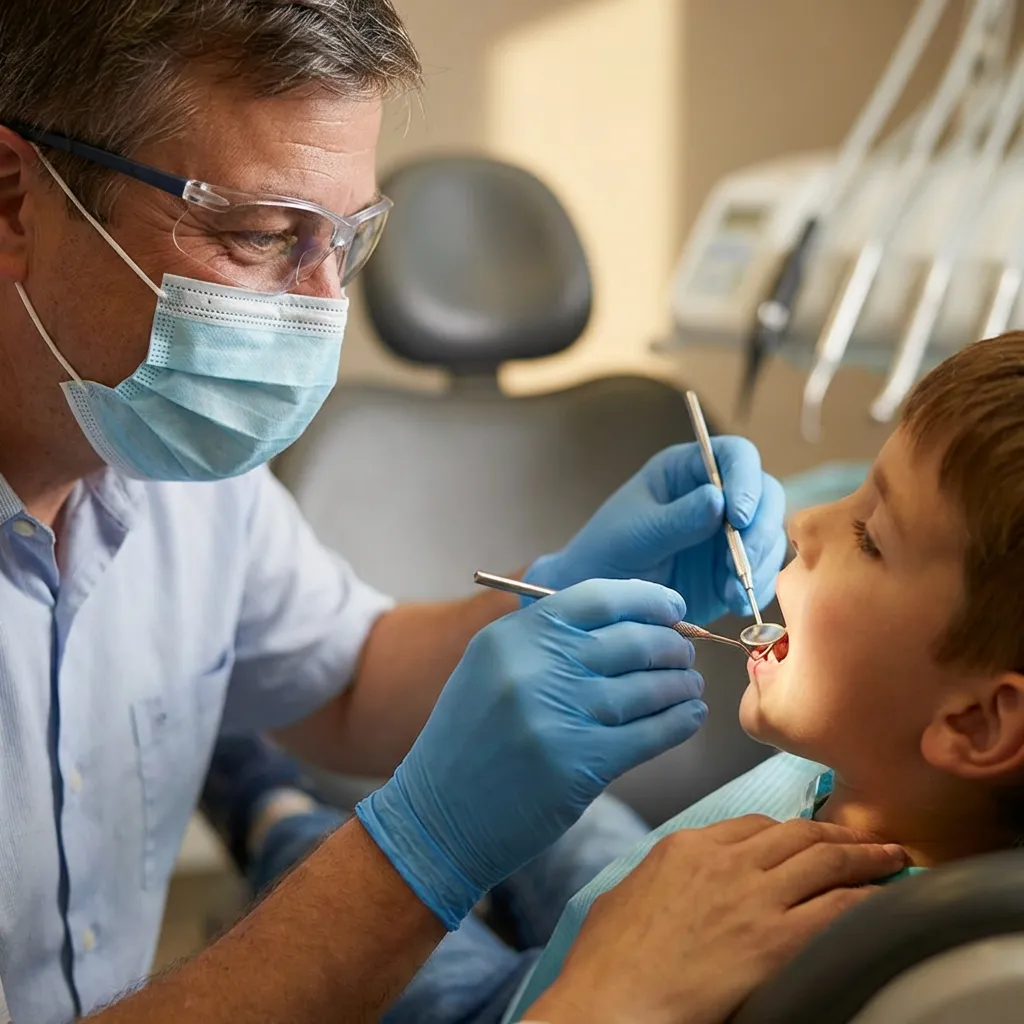
"This is why regular visits to a pediatric dentist are so important," Marcus explained, steering the conversation toward proactive care. He reminded Elara of her last visit to Dr. Driggers at Crossroads Pediatric Dentistry in Acworth, GA, where they talked about prevention and healthy snacks. "Dr. Driggers and his team help make sure your foundation is strong and healthy."

These visits aren't just for fixing problems, but for preventing them in the first place, like applying dental sealants or checking for early signs of tooth decay. "They're experts at keeping those 20 baby teeth in top shape," he added. Knowing that a professional was overseeing her oral health made Elara feel more secure.

Regular check-ups also allow the dental team to monitor the development of the jaw and the eruption of both primary and permanent teeth. "They can spot any potential issues early on," Marcus reassured her, "so we can address them before they become bigger problems." It’s an investment in a lifetime of healthy smiles.

The Grand Exit: When Baby Teeth Start to Go

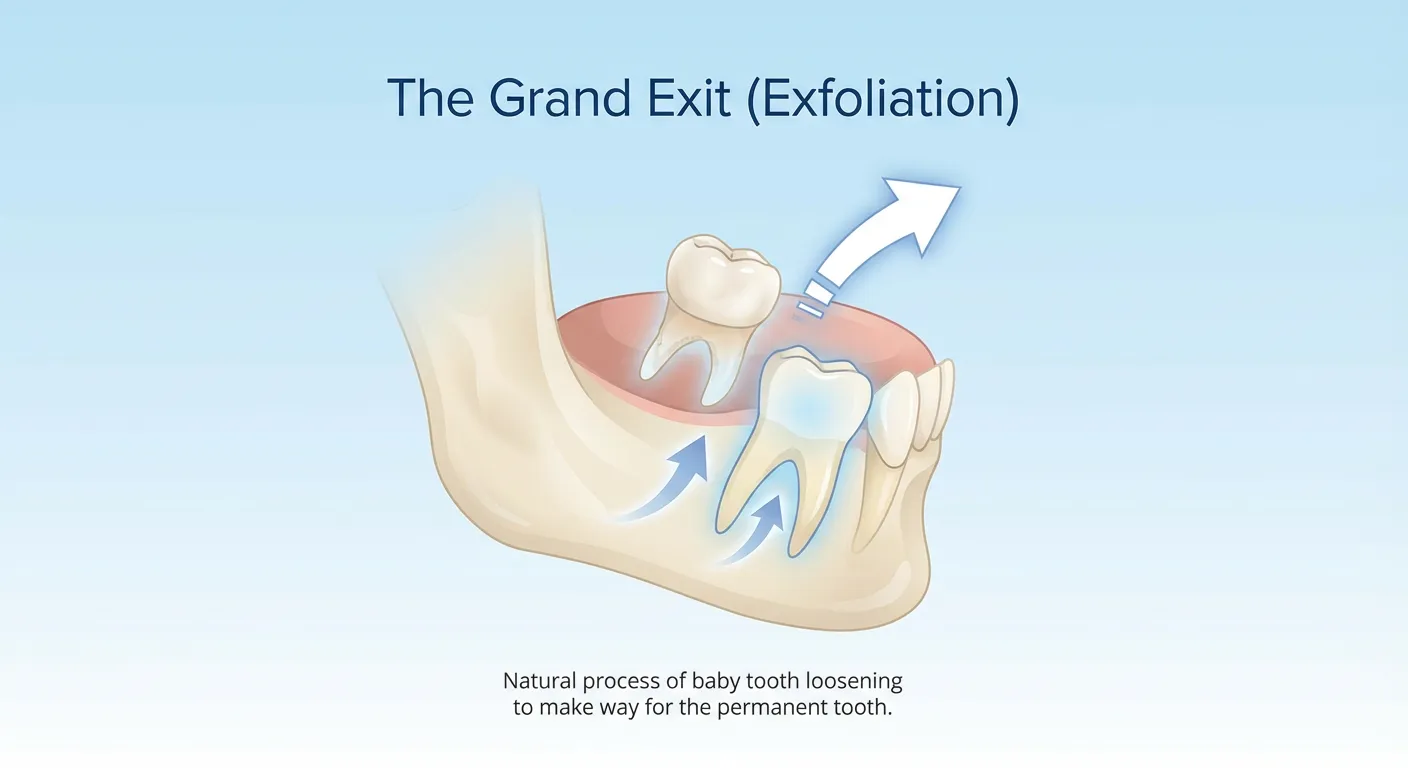
"So, if I have 20 baby teeth, does that mean 20 teeth will fall out?" Elara asked, now fully engaged in the biology lesson. Marcus smiled. "Exactly! Usually, around age six, just like your wobbly tooth, your baby teeth start to loosen and make way for your permanent teeth." This natural process is called exfoliation.

He explained that as the permanent teeth develop beneath the gums, they push up, dissolving the roots of the baby teeth. "That's why they get so wobbly and then eventually fall out," he clarified. It’s an ingenious design by nature to ensure a smooth transition.

The order in which baby teeth fall out generally mirrors the order in which they erupted. "You'll typically lose your lower front teeth first, just like your current wobbly one," Marcus confirmed. Elara could now picture the entire cycle, from eruption to exfoliation, feeling a sense of wonder at her body's natural processes.

Transition to a Permanent Smile

As the baby teeth fall out, they are replaced by permanent teeth, which are larger and more numerous. "You'll eventually have 32 permanent teeth, including your wisdom teeth!" Marcus explained, drawing a picture of the adult dentition. "That's a lot more than 20, isn't it?" he chuckled. This transition typically continues until early adolescence.

He clarified that while the first permanent molars often emerge around age six, even before any baby teeth are lost, the incisors (front teeth) usually follow soon after. "These permanent teeth need to last you a lifetime," he emphasized, "so taking care of them is even more crucial."

This phase of mixed dentition, where both baby and permanent teeth are present, is a critical time for monitoring oral development. "Regular check-ups during these years help us ensure everything is progressing smoothly," Marcus added, reassuring Elara that they would be guided through each stage.

Building a Lifetime of Healthy Habits

Seeing Elara's understanding grow, Marcus concluded, "So, your wobbly tooth isn't just a wobbly tooth. It's a sign of exciting changes and growth." He reiterated the importance of good oral hygiene habits from the very beginning, like brushing twice a day and flossing daily.

He stressed that even though baby teeth fall out, the care they receive profoundly impacts the permanent teeth that follow. "Healthy habits instilled now will serve you for years to come," he stated. Elara nodded, a newfound respect for her dental journey blossoming.

"And remember," he said, giving her a hug, "Crossroads Pediatric Dentistry is always here to support your healthy smile journey, every step of the way, from that very first tooth to your permanent ones. We're partners in keeping your smile bright and strong!" Elara, now armed with dental knowledge, confidently wiggled her loose tooth, ready for the Tooth Fairy's visit.

Frequently Asked Questions

1. How many baby teeth do children typically have?

Children typically have 20 baby teeth, also known as primary teeth or deciduous teeth. These teeth usually start to emerge around 6 months of age.

2. What is the difference between baby teeth and adult teeth?

Baby teeth are smaller, whiter, and have thinner enamel compared to adult teeth. They also have different root structures, which eventually resorb to make way for permanent teeth.

3. Why are baby teeth important, even if they fall out?

Baby teeth are crucial for proper chewing, speech development, and maintaining space for permanent teeth. Losing them too early can lead to alignment issues with adult teeth.

4. When do children usually start losing their baby teeth?

Children typically begin losing their baby teeth around the age of 6, and this process continues until approximately age 12, when most permanent teeth have erupted.

5. Do wisdom teeth count as part of the total number of adult teeth?

Yes, wisdom teeth are considered part of the permanent dentition. Most adults have 32 permanent teeth, including four wisdom teeth, though not everyone develops or retains all of them.

6. What should I do if my child's baby tooth doesn't fall out on its own?

If a baby tooth doesn't fall out when expected, or if a permanent tooth is erupting behind it, it's best to consult a pediatric dentist like Dr. Tyler Driggers. They can assess the situation and recommend the appropriate action, which might include extraction.

Contact Us

Address
85 Golfcrest Drive Suite 105, Acworth, GA 30101
Phone Number
+1 (770) 738-5437
Business Hours
Mon - Thu
8 AM - 5 PM
Fri-Sun
Closed
Related Blog Posts

Stay Informed with Expert Insights & Tips About Dental Care

2.7.2026

When Do Baby Teeth Come In And What Parents Notice First

When do baby teeth come in, and what should parents expect along the way? Follow one family’s real experience to learn timelines, symptoms, and how to support your baby through teething with confidence.

READ MORE
1.7.2026

Is My Kid’s Chipped Tooth An Emergency, Or Not?

A chipped tooth can look tiny, but the worry feels huge. Learn the signs that mean “call now,” and how early dental care can make future scares smaller and simpler.

READ MORE
12.4.2025

Is Your Child’s Smile Holiday-Ready?

Your child’s dental benefits expire soon—here’s why December is the perfect time to protect their smile and enjoy the holidays pain-free.

READ MORE