Group of joyful children laughing together, depicting restorative dental treatment for renewed confidence.

Expert dental tips, news, and smile advice

When Do Baby Teeth Come In And What Parents Notice First

The First Night Emma Could Not Stop Crying

Emma was six months old, bundled in her footed pajamas, when her mom, Sarah, noticed something felt off. Emma was usually an easy sleeper, the kind who drifted off with a soft hum of the sound machine. That night, though, she was clutching her gums with tiny fists, cheeks flushed, letting out sharp cries that startled even her exhausted parents.
Sarah paced the living room at 2 a.m., whispering, “Is she sick, or is this teething?” She ran a clean finger along Emma’s gums and felt it, a faint ridge just beneath the surface, like a grain of rice hiding under skin.

That moment is how many parents first ask the question, when do baby teeth come in, usually in the middle of the night, holding a fussy baby and searching for reassurance.

Why The Timing Feels So Mysterious

Sarah had read that baby teeth eruption timelines vary, but knowing that did not make the uncertainty easier. One friend said her child had teeth at four months. Another joked her toddler stayed gummy forever. The internet offered charts, ranges, and disclaimers, yet none of them answered the emotional question behind it all, “Is my baby normal?”

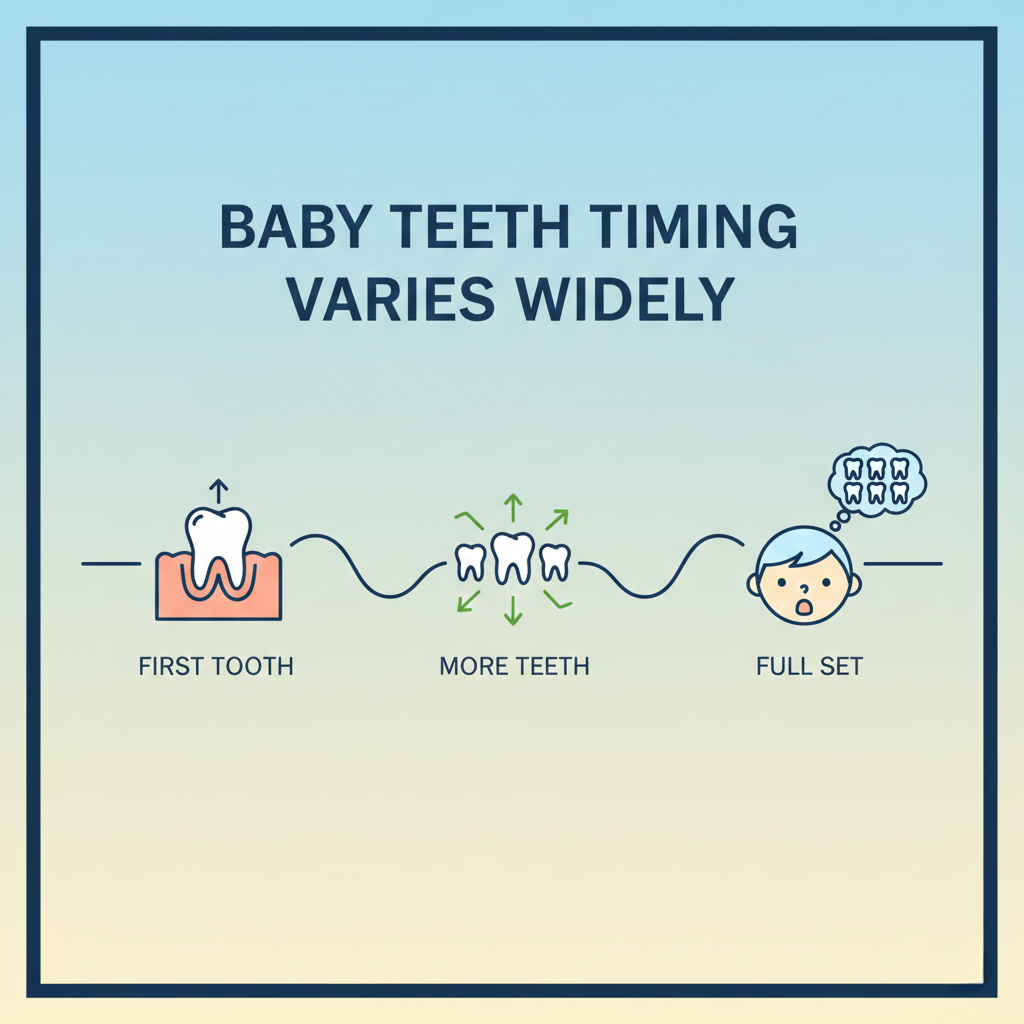
In reality, most babies get their first tooth between four and seven months, but normal spans a much wider window. Some healthy babies start teething at three months, while others wait until after their first birthday. Think of it like learning to walk, the milestone matters, but the schedule belongs to your child.

At CrossRoads Pediatric Dentistry, parents often share this same worry during visits for early dental care. Understanding what is typical, and what is not, helps replace anxiety with confidence.
The First Teeth Usually Follow A Pattern

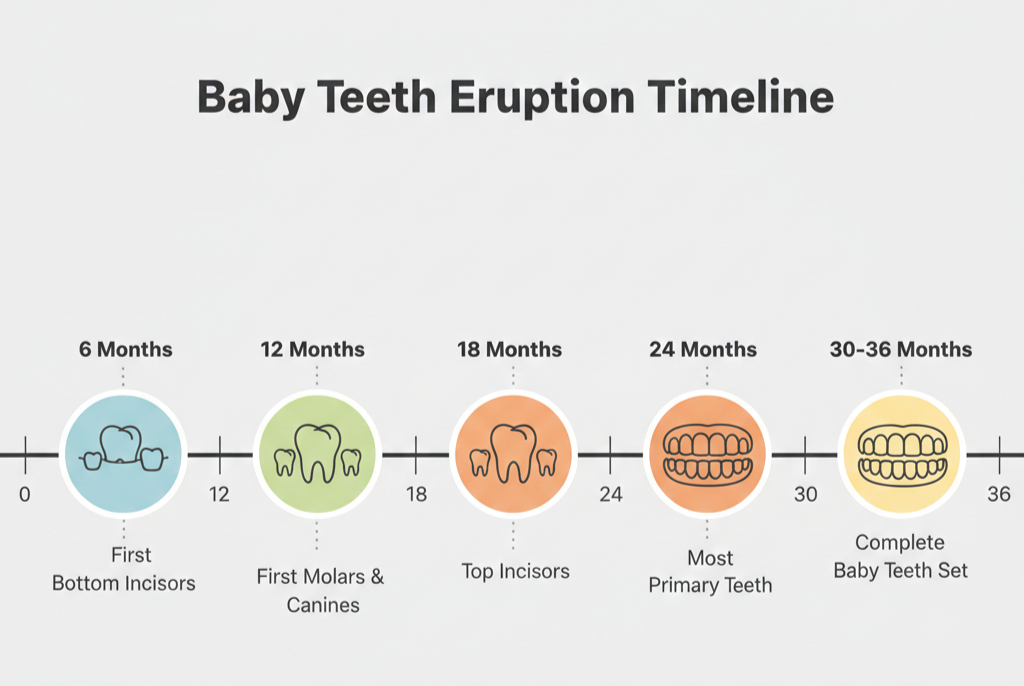
When Emma’s lower gums finally broke through, Sarah noticed two tiny white edges peeking out like fence posts. This was no coincidence. Most baby teeth erupt in a predictable order, even if the timing shifts.

Usually, the lower front teeth appear first, followed by the upper front teeth. Molars and canines arrive later, often bringing heavier teething symptoms. By age three, most children have all 20 primary teeth, perfectly designed to hold space for adult teeth later on.

Pediatric dentists often compare baby teeth to placeholders at a theater. They reserve the right seats for the permanent teeth waiting backstage. Losing them too early or too late can affect spacing, chewing, and speech development. That is why understanding when baby teeth come in matters more than many parents realize.
Teething Symptoms Parents Do Not Expect

Sarah expected drooling and fussiness, but she did not expect Emma to refuse her favorite bottle or wake every hour. Teething symptoms can surprise parents because they often look like something else.

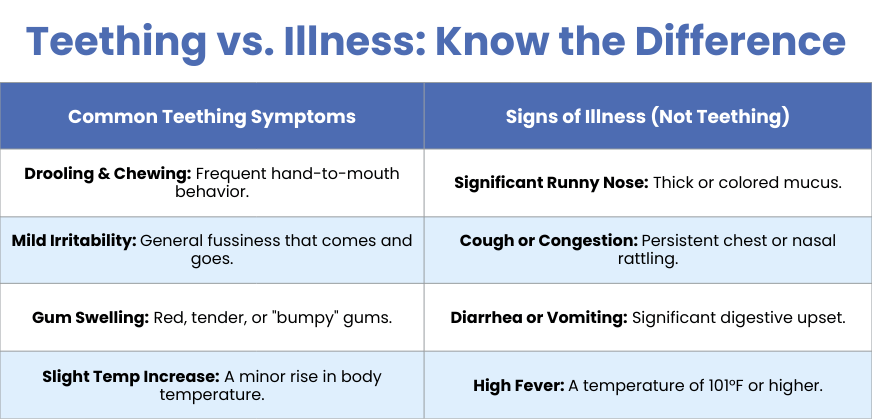
Common signs include swollen gums, excessive drool, mild irritability, and the urge to chew on everything. Less obvious signs include disrupted sleep, changes in appetite, and ear pulling, which can be confusing and stressful. The key difference is that teething discomfort comes and goes, unlike illness.

Parents sometimes worry about fevers. A slight temperature increase can happen, but true fevers are not caused by teething. When in doubt, it is always worth checking in with a pediatric dentist or pediatrician. Many families find reassurance during a child’s first dental visit, which helps normalize these stages early on.
Thinking About Your Child’s First Tooth?

Ready to Transform Your Smile?

This is often the moment parents pause and think, “Should we have someone look at this?” A gentle pediatric dental visit can answer questions, check eruption patterns, and give you tools to soothe your baby with confidence.

Discover the best solution for your smile at Fortson Dentistry. Schedule your appointment now and let our expert team guide you to a confident, healthy smile.

How Parents Can Soothe Teething Discomfort

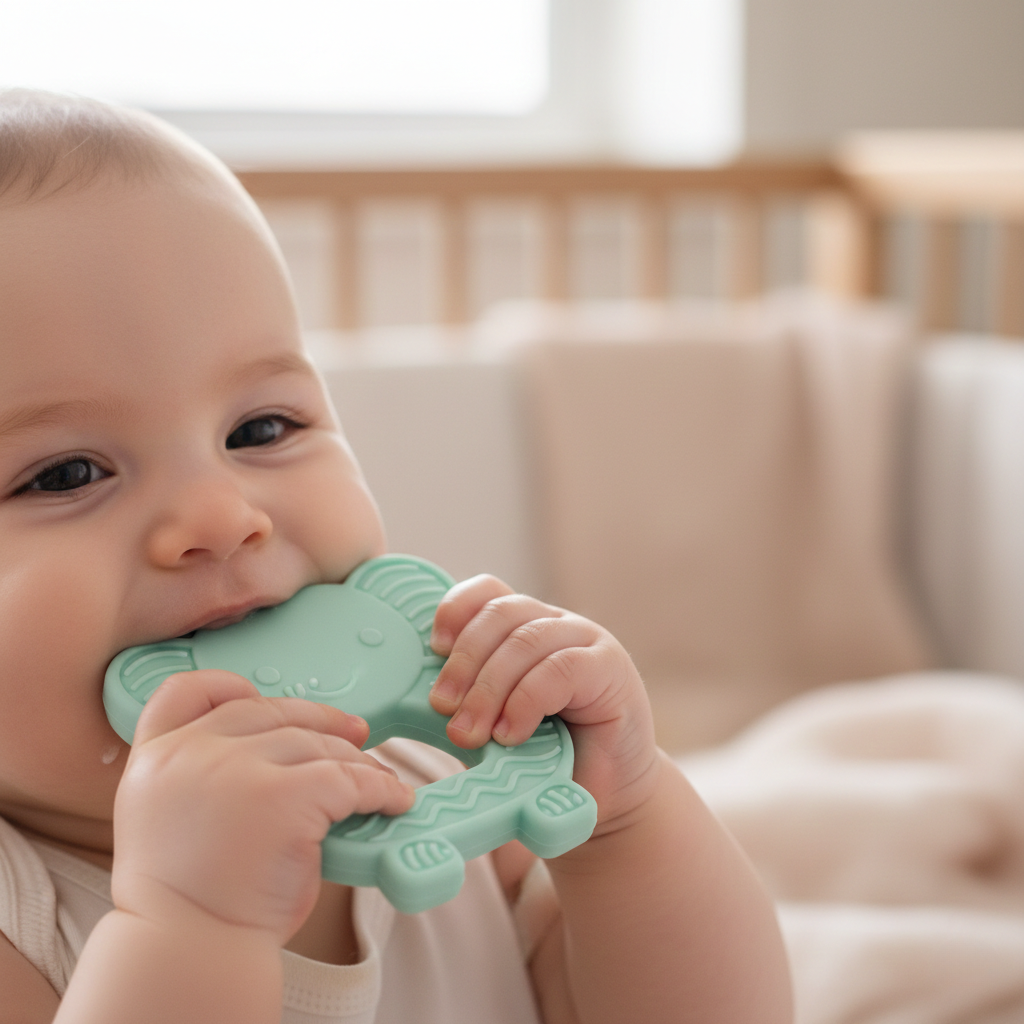
Once Emma’s teeth started coming in, Sarah learned quickly what worked and what did not. Cold silicone teethers became her best friend, while frozen washcloths offered quick relief during cranky moments. Gentle gum massage with a clean finger often calmed Emma faster than anything else.

Pediatric dentists recommend avoiding numbing gels and teething necklaces, as they can pose risks without clear benefits. Instead, focus on safe, simple comfort measures and patience. Teething is temporary, even when it feels endless at 3 a.m.

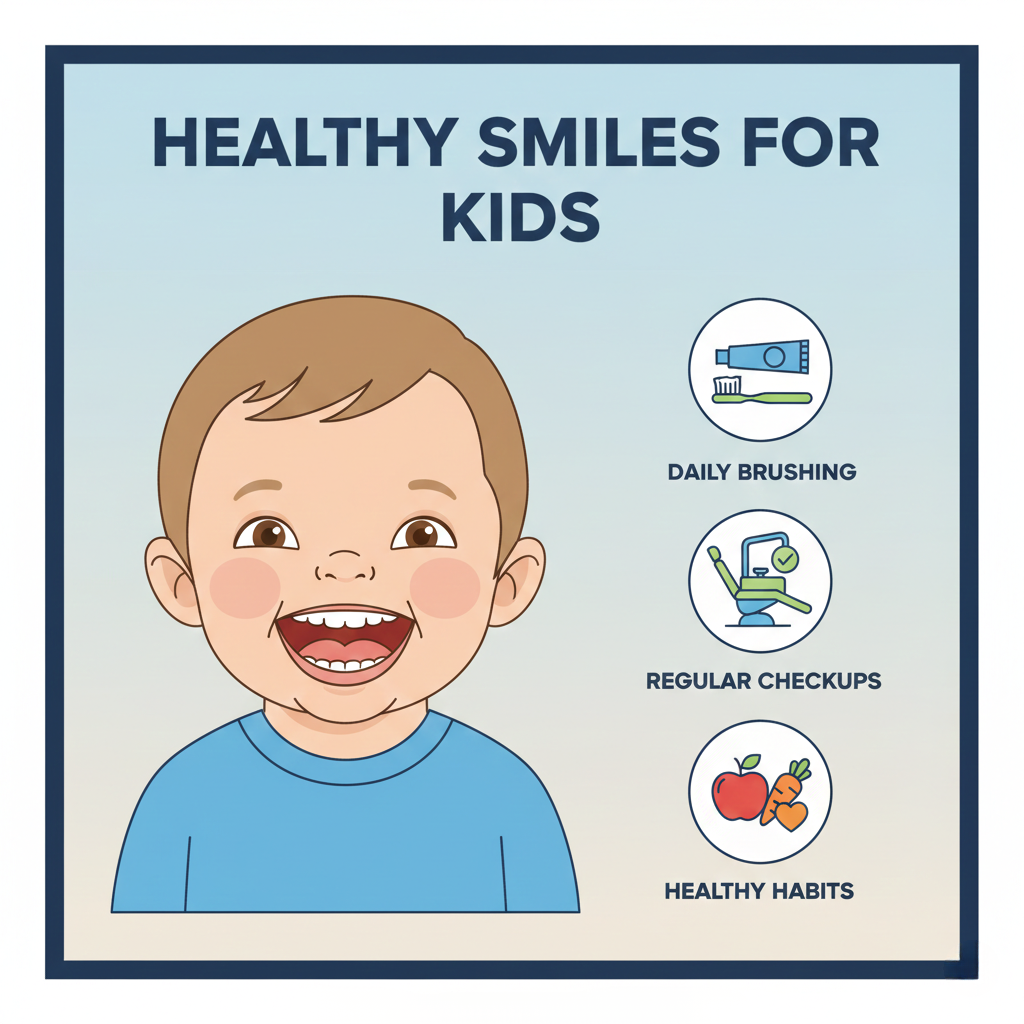
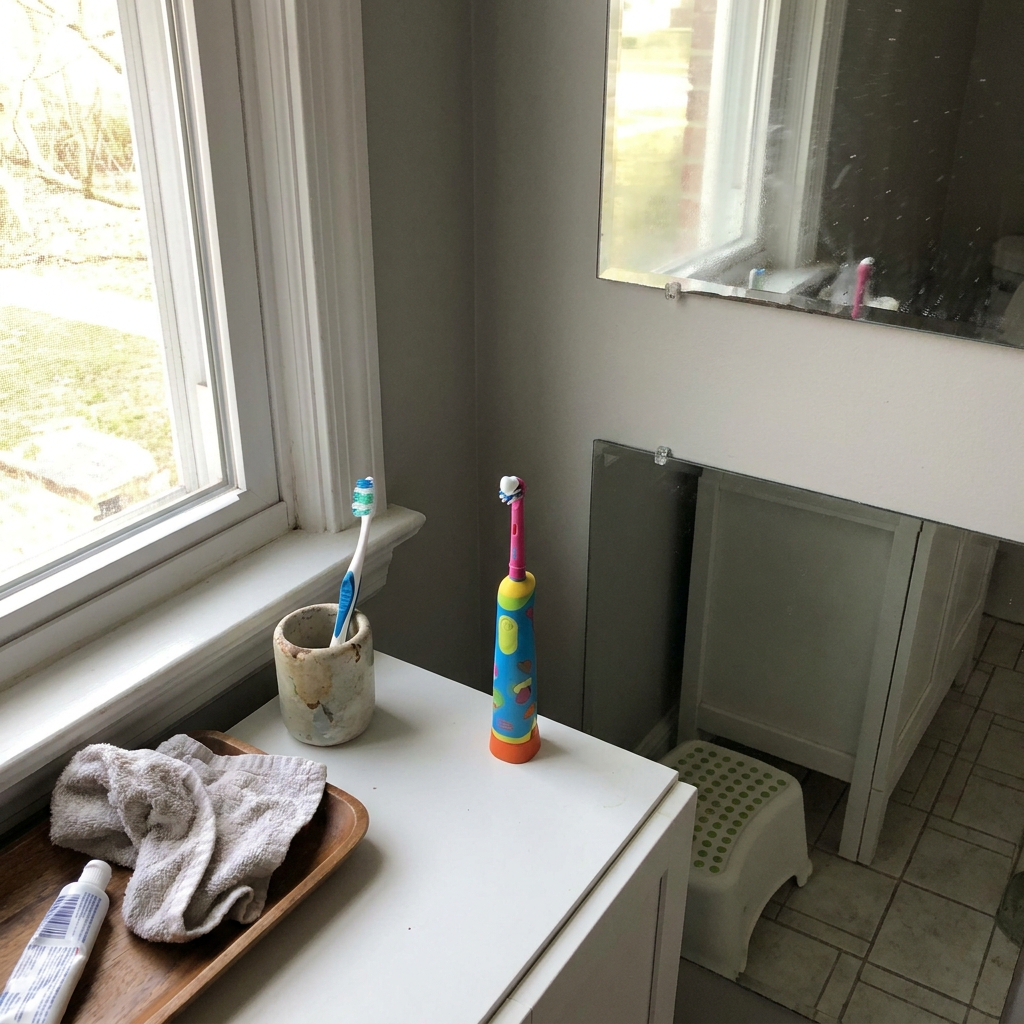
Good habits start early. Wiping gums with a soft cloth and transitioning to brushing once teeth erupt helps protect those tiny teeth from decay. Parents often underestimate how important oral hygiene for babies can be, even before a full smile appears.

When To Call A Pediatric Dentist

By Emma’s first birthday, she had six teeth and a big personality to match. Sarah scheduled her first pediatric dental appointment, partly out of curiosity, partly for reassurance. The visit was short, gentle, and surprisingly comforting.

You should consider calling a pediatric dentist if no teeth have appeared by 12 to 15 months, if teeth erupt in unusual positions, or if teething symptoms seem extreme. A pediatric dentist can also help if baby teeth come in with discoloration or signs of early decay.

At CrossRoads Pediatric Dentistry in Acworth, families appreciate the calm, child-centered approach Dr. Tyler Driggers brings to these early visits. Many parents say they wish they had come sooner, not because something was wrong, but because it made everything feel easier.

What Emma Taught Her Parents About Baby Teeth

Looking back, Sarah laughs at how worried she felt that first night. Emma’s teeth came in on her own timeline, just as they were supposed to. Today, brushing is part of their bedtime routine, not a battle, and dental visits feel familiar rather than scary.

Understanding when baby teeth come in helped Sarah shift from panic to preparation. It reminded her that milestones are not races, they are journeys. And sometimes, the smallest teeth teach the biggest lessons about patience, trust, and care.

If you are navigating this stage right now, know that you are not behind, and you are not alone. Support, guidance, and reassurance are part of good pediatric dental care.

Ready For Reassurance And A Gentle First Visit?

If you are wondering whether your child’s teeth are coming in normally, or you simply want a supportive partner in your child’s dental journey, CrossRoads Pediatric Dentistry is here to help. Schedule a visit and let us walk alongside you through every milestone, from first tooth to confident smile.

FAQ

When Do Baby Teeth Usually Start Coming In?
Most babies get their first tooth between four and seven months, but anywhere from three to twelve months can be completely normal. Genetics play a big role, so family history often matters more than charts.

What If My Baby Has No Teeth At One Year?
This can still be normal, but it is a good time to check in with a pediatric dentist. An early visit helps confirm healthy development and gives parents peace of mind.

Does Teething Cause Fever Or Diarrhea?
Teething may cause mild discomfort and fussiness, but true fever or diarrhea usually points to something else. If symptoms feel intense or persistent, consult your pediatrician or pediatric dentist.

How Should I Clean Baby Teeth Once They Appear?
As soon as the first tooth erupts, start brushing gently with a soft-bristled toothbrush and a smear of fluoride toothpaste. Establishing this habit early protects baby teeth and sets the tone for lifelong oral health.

When Should My Child See A Pediatric Dentist For The First Time?
The American Academy of Pediatric Dentistry recommends a first visit by age one or within six months of the first tooth erupting. You can request an appointment here.

Contact Us

Address
85 Golfcrest Drive Suite 105, Acworth, GA 30101
Phone Number
+1 (770) 738-5437
Business Hours
Mon - Thu
8 AM - 5 PM
Fri-Sun
Closed